After I published the breakdown of what a $2,000 monthly budget actually gets you here, the question I kept getting back was some version of “okay, but what if I have more than that?” So let's talk about $3,000.
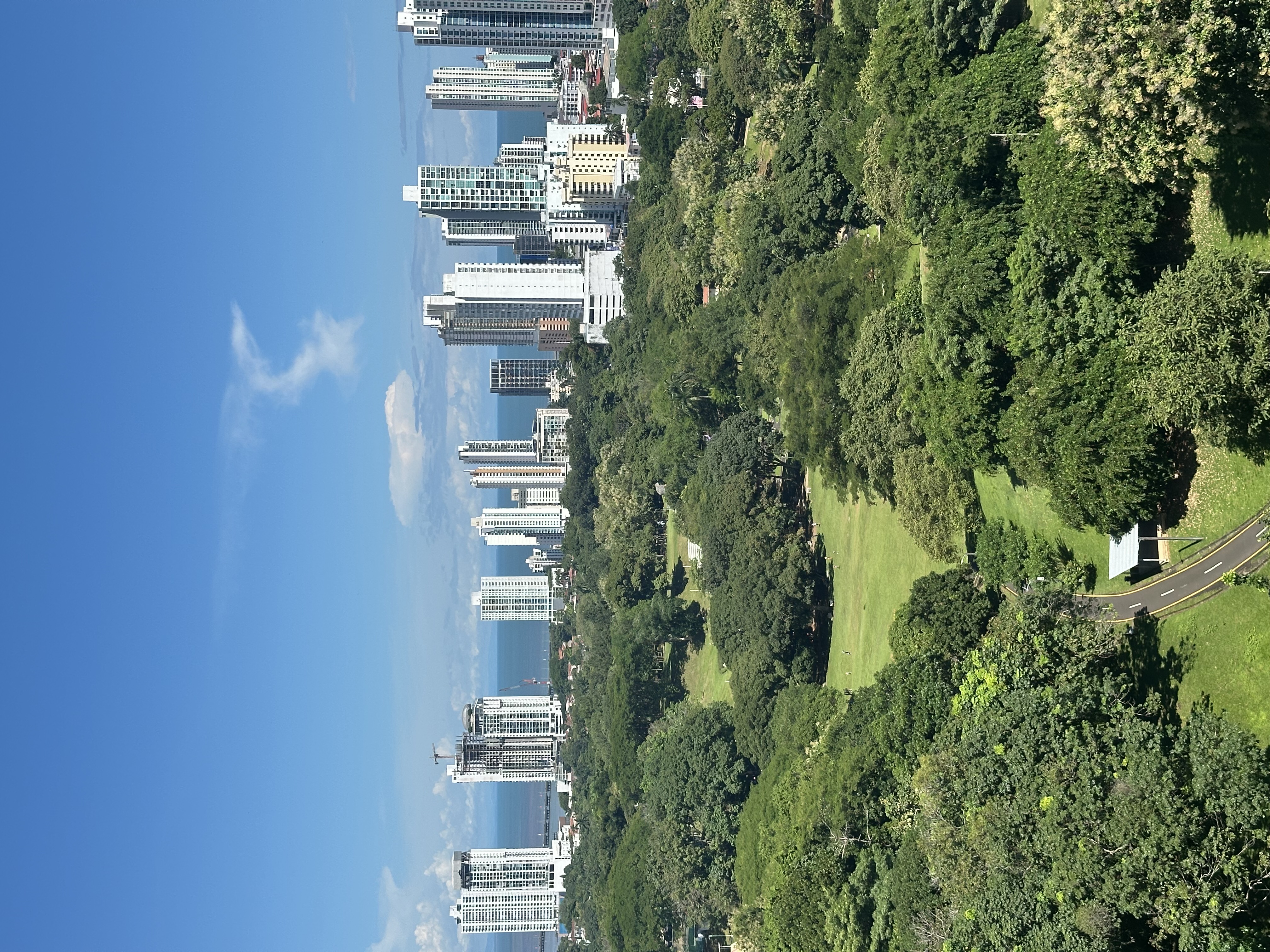
The short version: $3,000 doesn't just make Panama comfortable. It starts giving you real choices. But it still doesn't buy everything at once, and the biggest mistake I see people make at this budget is assuming it does.
If you haven't read our full cost of living in Panama breakdown yet, that's the place to start for the full picture of what things cost here. This article picks up from there and from the $2,000 scenario, and shows you specifically what that extra $1,000 a month actually changes.
Defining the Scenario
Like the $2,000 article, this one is built around one single adult living in Panama, spending $3,000 a month on ordinary living expenses. I'll get into what changes for a couple further down, and I'll touch on families briefly, but neither of those scenarios follows simply from doubling or halving a single person's number.
A Realistic $3,000 Monthly Budget
Here's what $3,000 can look like for one person in a good, well-located Panama City apartment, living well without being extravagant.
| Category | Monthly Estimate |
|---|---|
| Rent (1BR, newer building, desirable walkable neighborhood) | $1,300 |
| Electricity | $120 |
| Water, gas, trash | $25 |
| Internet | $50 |
| Cell phone | $30 |
| Groceries (local plus regular imported items) | $350 |
| Transportation (Uber-heavy, no car) | $120 |
| Health insurance (stronger local or entry-level international plan) | $220 |
| Dining out | $350 |
| Entertainment and personal care | $200 |
| Household help (biweekly cleaner) | $120 |
| Discretionary / savings buffer | $115 |
| Total | $3,000 |
Notice what's different here compared to the $2,000 version: a genuinely nicer apartment, meaningfully more dining out, better health coverage, a cleaner coming twice a month, and a small but real buffer at the end. What it doesn't include is a car, a premium international insurance plan, frequent travel, or serious monthly savings. Those are still trade-offs, not automatic inclusions.
What Actually Changes From $2,000 to $3,000?
This is the part people actually want to know, so let's be specific.
The extra $1,000 typically buys some combination of: a better apartment in a more desirable building or neighborhood, noticeably more freedom to eat out without doing mental math first, room for regular imported groceries instead of picking and choosing carefully, a stronger health insurance plan, a cleaner or other household help, a real gym membership instead of skipping it, and a small cushion for savings or the occasional trip.
Location Still Changes Everything
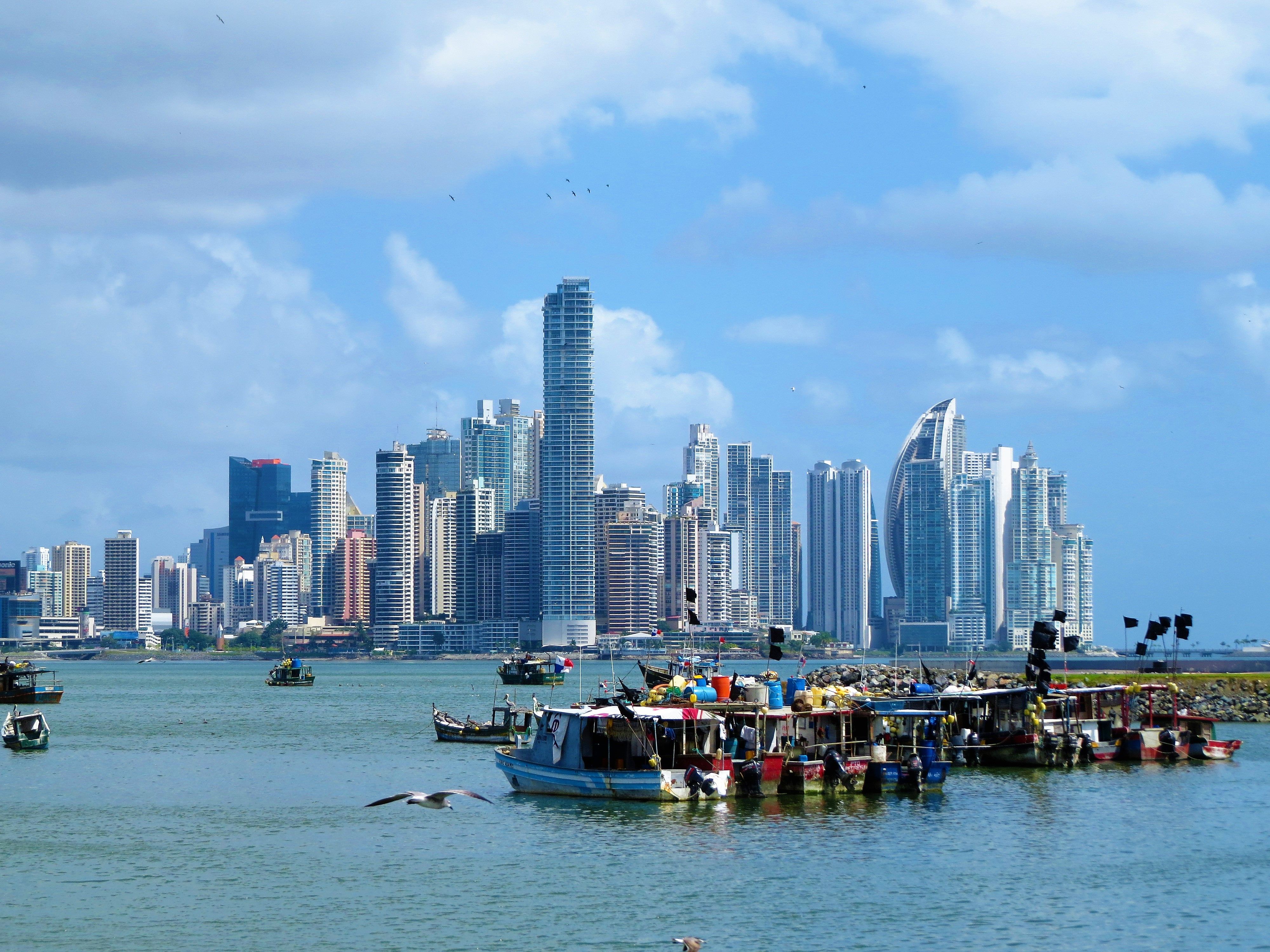
Panama City. In the city, $3,000 is where things start to feel genuinely comfortable rather than carefully managed. You can reasonably afford a nicer apartment in a walkable, well-located neighborhood, eat out several times a week without panic, and still have room for decent health coverage and some discretionary spending. Housing is still your biggest decision — spend too much chasing a Punta Pacífica or Costa del Este address, and you'll be right back to counting every other category closely, the same way you would on $2,000.
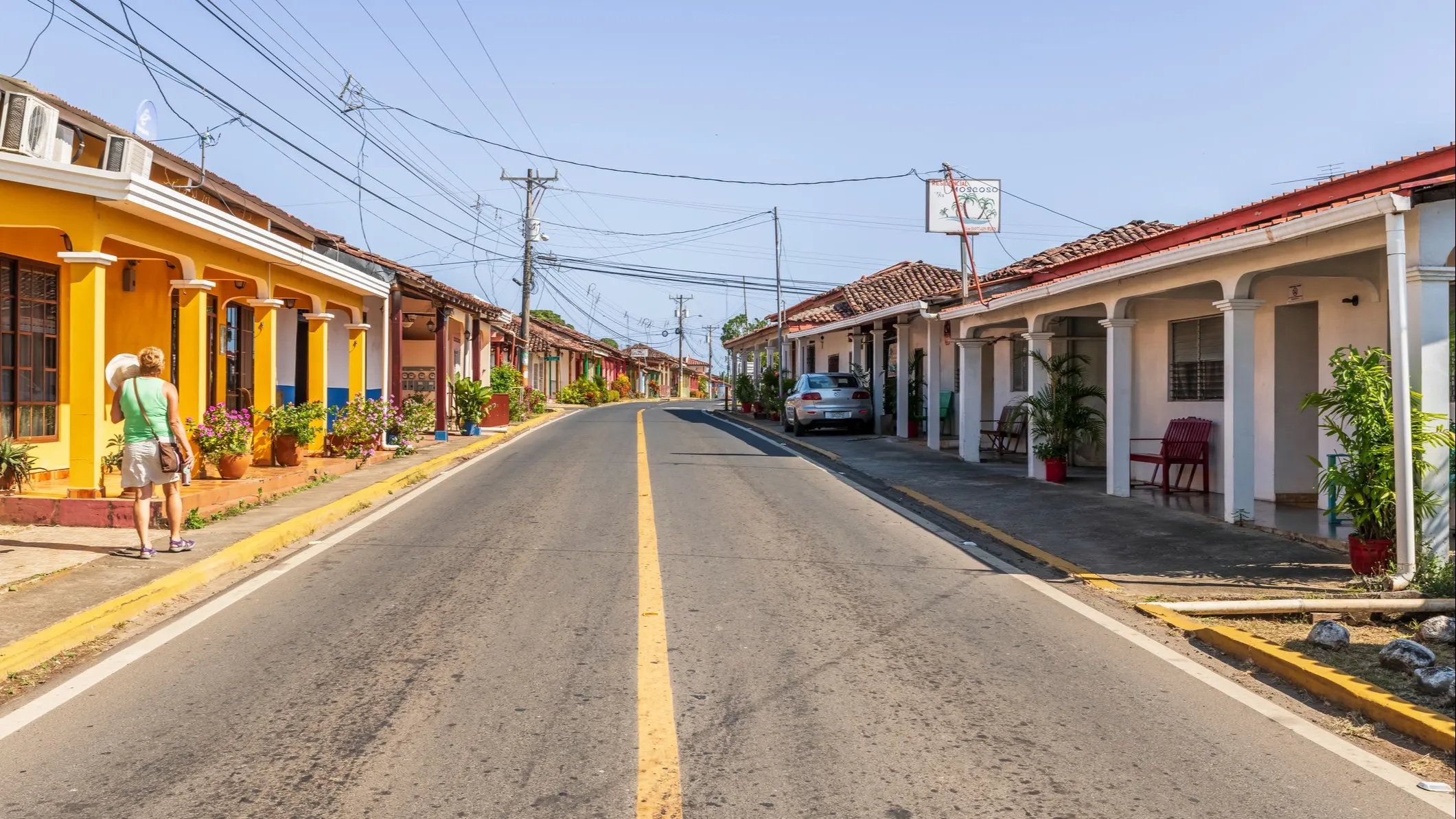
Beach communities. At the beach, $3,000 buys more housing flexibility than it does in the capital, but electricity and transportation take a real bite. Constant AC use and a car, which is close to essential in most beach towns, add up quickly. Here's roughly how that can look:
| Category | Monthly Estimate |
|---|---|
| Rent (nicer property, established beach community) | $1,000 |
| Electricity (heavy AC use) | $200 |
| Car (fuel, insurance, upkeep) | $350 |
| Water, gas, trash | $30 |
| Internet | $55 |
| Cell phone | $30 |
| Groceries | $350 |
| Health insurance | $220 |
| Dining out | $250 |
| Household help | $100 |
| Entertainment and personal care | $150 |
| Discretionary / savings buffer | $265 |
| Total | $3,000 |
You end up with a genuinely nice lifestyle here, but the car and electricity costs mean the buffer is smaller than you might expect from a lower rent number alone.
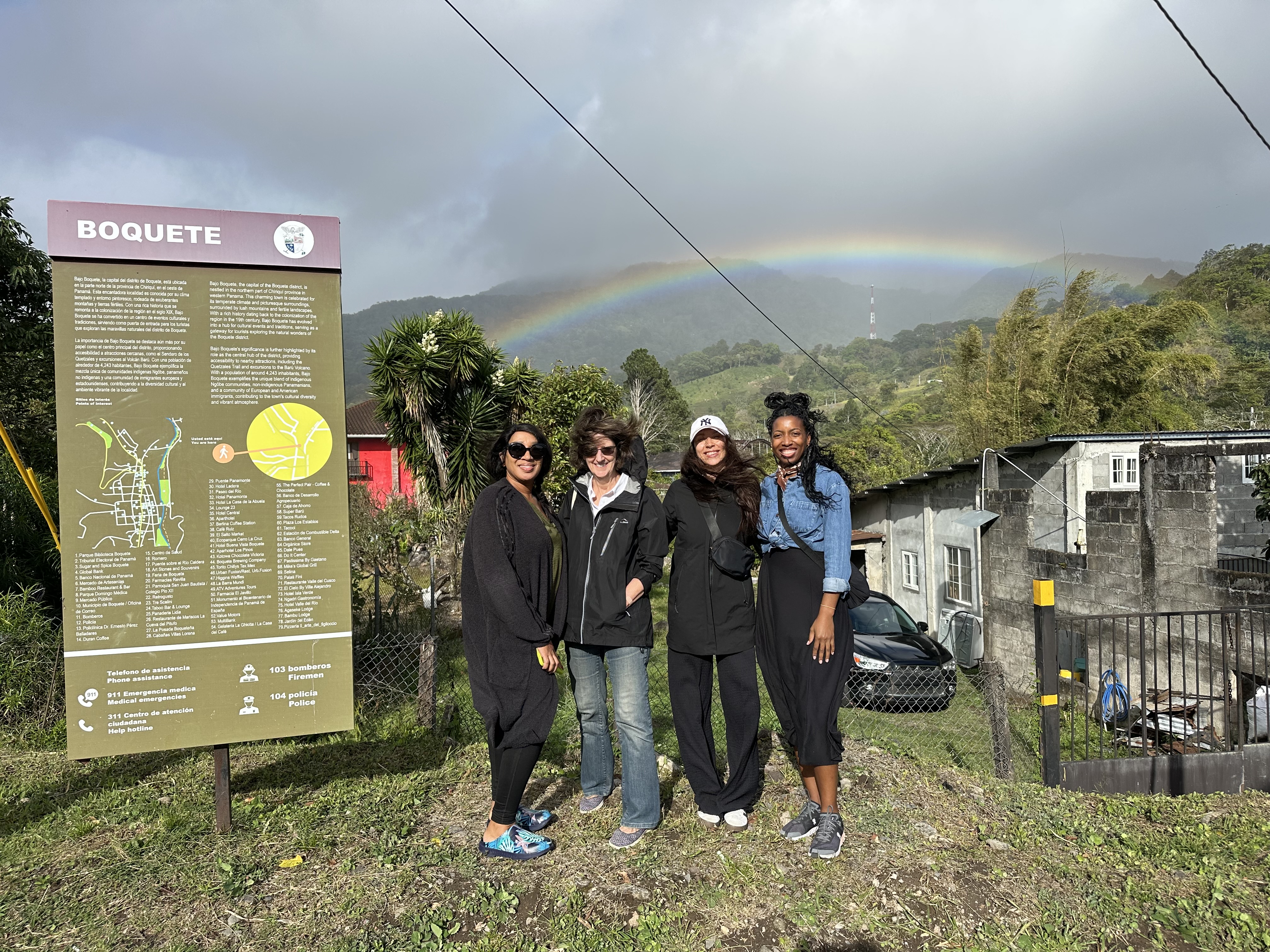
Mountain communities and smaller towns. This is where $3,000 stretches the furthest. Lower rent, little to no air conditioning need, and generally lower day-to-day costs mean this budget can produce real breathing room, even after accounting for a car, which is typically necessary outside the main towns.
| Category | Monthly Estimate |
|---|---|
| Rent (larger apartment or house) | $900 |
| Electricity (minimal AC) | $60 |
| Car (fuel, insurance, upkeep) | $300 |
| Water, gas, trash | $20 |
| Internet | $50 |
| Cell phone | $30 |
| Groceries | $300 |
| Health insurance | $220 |
| Dining out | $250 |
| Household help | $100 |
| Entertainment and personal care | $150 |
| Discretionary / savings buffer | $620 |
| Total | $3,000 |
That's a meaningful cushion, and it's the clearest example of how much location shapes what a fixed budget actually delivers. The trade-off is fewer restaurants, less nightlife, a smaller international community, and a genuinely different pace of life — not a “cheaper version of the same lifestyle.”
Housing: More Room, Not Unlimited Room
Compared to $2,000, this budget gives you real flexibility: a newer building, a better view, more square footage, or a more central location. At $2,000, keeping rent around $700 to $900 was close to mandatory to make the rest of the budget function. At $3,000, you have room to put $1,200 to $1,500 toward rent and still cover everything else on this list comfortably, which opens up a genuinely different tier of apartment — newer construction, a pool and gym in the building, better security, a view that isn't an afterthought.
What it usually doesn't cover comfortably is the top tier of Panama City housing — the newest oceanfront towers, the largest units, the buildings with the most extensive amenities — while also leaving room for everything else in this list. Push rent up to $1,800 or $2,000 to land one of those units, and you're back to watching your grocery and dining budget the way you did at $2,000, just in a nicer apartment. If a premium address matters more to you than dining out or savings, $3,000 can get you there. It just means those trade-offs land somewhere else in the budget, the same way they always do.
What Does Everyday Life Actually Look Like?
Can you eat out several times a week? Yes, comfortably, especially outside the most expensive restaurants. Can you have a cleaner? Yes, a biweekly or even weekly visit fits reasonably well. A good gym? Yes. Regular Uber use instead of owning a car, especially in the city? Also yes.
Own a car and keep everything else on this list? That's where it gets tighter, particularly in the city, where a car isn't really necessary anyway. Buy imported groceries regularly? Yes, in moderation, though an entirely imported cart will still push your grocery line well past what's budgeted here. Carry a stronger international health insurance plan? Possible, but it often means trimming the dining or entertainment budget to make room. Travel internationally on a regular basis or save a meaningful amount each month? That usually requires either choosing a lower-cost location, like the mountain scenario above, or accepting a more modest version of the city or beach lifestyle.
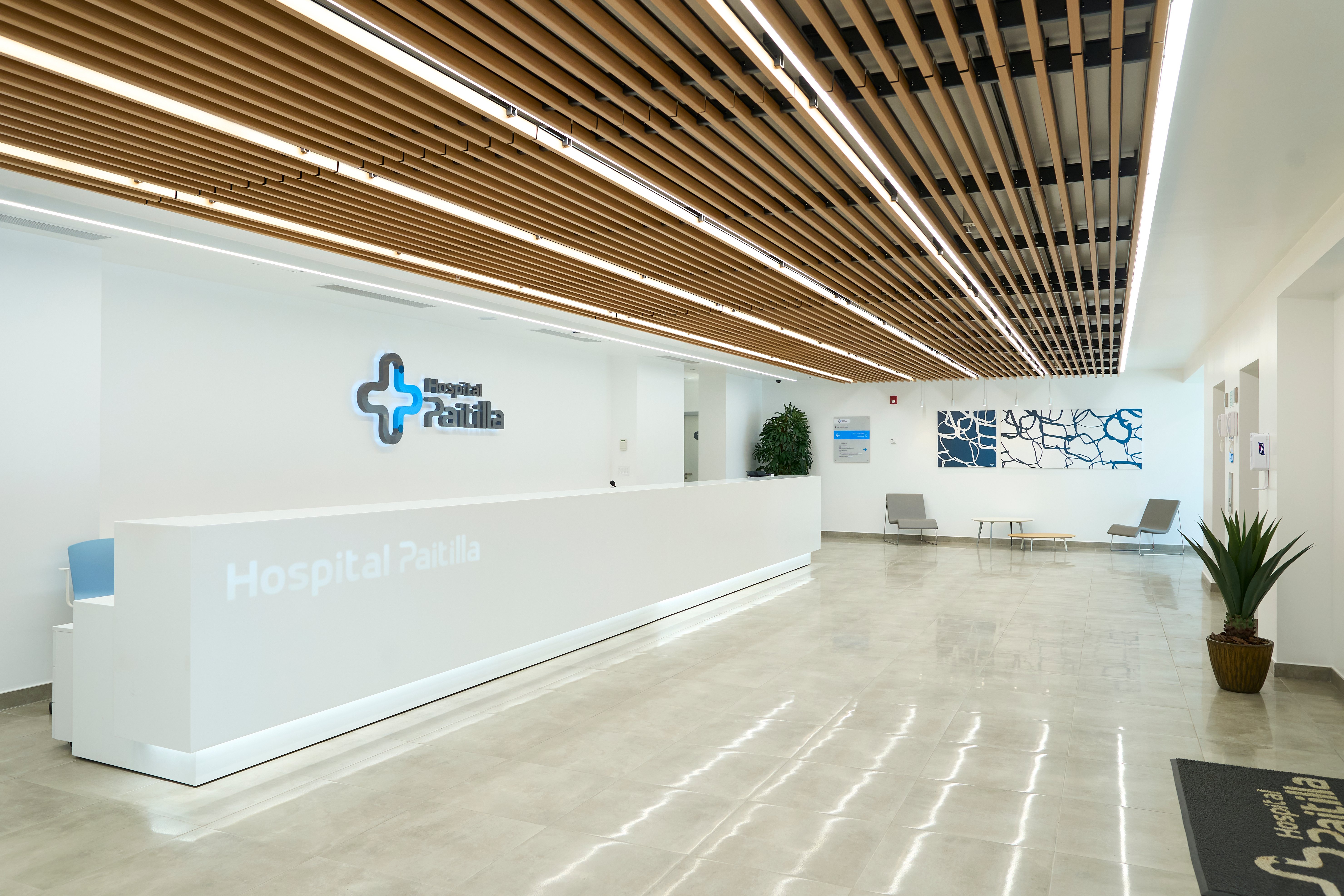
Healthcare is worth a closer look at this budget level, because it's one of the categories where $3,000 genuinely changes your options rather than just giving you more breathing room. At $2,000, a basic local insurance plan was really the only realistic choice. At $3,000, you can reasonably afford a stronger local plan with better coverage, or step into an entry-level international plan that covers you outside Panama as well. What you likely can't do is combine a top-tier international plan, which can run $300 to $600 a month on its own for a single adult, with everything else on this list without cutting somewhere else, usually dining out or the discretionary buffer.
Hobbies and social life follow a similar pattern. A decent gym membership, the occasional weekend trip within Panama, regular meals with friends, and things like massages or personal care fit comfortably into this budget. Bigger-ticket hobbies — golf memberships, boating, frequent domestic flights to places like Bocas del Toro — start competing directly with the other categories, and you'll feel it if you try to add them without adjusting somewhere else.
$3,000 for a Couple
Sharing rent and utilities creates real savings, which is the good news. The less good news is that groceries, healthcare, entertainment, personal expenses, and household help don't shrink the same way, since they largely apply per person rather than per household.
In practice, $3,000 as a household budget for two people produces something closer to the $2,000 single-person lifestyle described in the earlier article than to the fuller version described here. It's workable, particularly outside Panama City, but it usually means a more modest apartment, tighter grocery and dining budgets, and less individual discretionary spending than either partner would have alone at this number. A couple wanting the full version of the $3,000 single lifestyle described above should generally plan closer to $4,000 to $4,800 a month, depending on location and how much your day-to-day habits overlap.
A Brief Note on Families
I won't go deep into this here, but I don't want anyone applying this budget to a family by accident. Larger housing, higher grocery volume, family healthcare needs, and especially private or international school tuition change this calculation substantially. Tuition alone at established international schools in Panama City can run well past $1,000 a month per child, which on its own can consume a large share of a $3,000 budget before anything else is accounted for. Families relocating to Panama need a budget built around their actual household, not a scaled version of a single adult's numbers.
So, Is $3,000 Enough?
That depends entirely on what you're picturing. If your version of Panama includes a genuinely nice apartment, regular dining out, decent health coverage, and a cleaner, $3,000 gets you there in most of the country, and gets you there with room to spare outside Panama City. If your picture also includes a car, premium international insurance, frequent travel, and real monthly savings, all in a Panama City high-rise, you'll likely find $3,000 tighter than expected, the same way $2,000 felt tight against a longer wish list.
The most useful thing you can do with this article isn't to treat $3,000 as a magic number. It's to look at the categories above, decide honestly which ones matter most to you, and see how closely your version of a Panama life lines up with what's actually workable at this budget.
Figuring Out What Fits Your Life
If you're trying to work out whether $3,000, or any number, actually matches the life you're picturing in Panama, that's exactly the kind of planning worth doing before you commit to a move, not after. I help people match their real budget and priorities to an actual neighborhood and lifestyle here, often through a relocation planning conversation or a scouting visit built around what matters most to you. Reach out and let's talk through what your version of this budget would really look like.