I get asked about the $2,000-a-month figure more than almost any other number. It shows up in Facebook groups, YouTube videos, and those “live like royalty for pennies” articles that make the rounds every few months. So let's actually answer it properly: what does $2,000 a month get you in Panama?
The honest answer is: a real, workable life — for the right person, in the right place, with the right expectations. It is not automatically a luxurious life, and it's not a survival budget either. Where it lands depends almost entirely on where you choose to live and what you expect that money to buy you.
If you haven't already, it's worth reading our broader breakdown of the cost of living in Panama first, since that article covers the full range of expenses and how dramatically they shift by lifestyle. This article takes that same information and applies it to one specific number, so you can actually picture what your life would look like on it.
Let's Define the Scenario First
Before we get into numbers, a few things need to be clear.
This article is built around one single adult living in Panama on $2,000 a month. That number changes substantially for a couple, and it changes even more for a family with children — I'll address both later on, but don't assume you can simply divide or multiply this budget and get an accurate picture for your own situation.
I'm also treating this $2,000 as everyday living expenses only: rent, utilities, food, transportation, healthcare, and discretionary spending. It does not include relocation costs, immigration or legal fees, international flights home, emergency expenses, or any monthly savings goal. If you want to save money every month or budget for regular travel back to Canada or the US, you need more than $2,000, or you need to build that into the number from the start.
A Realistic $2,000 Monthly Budget
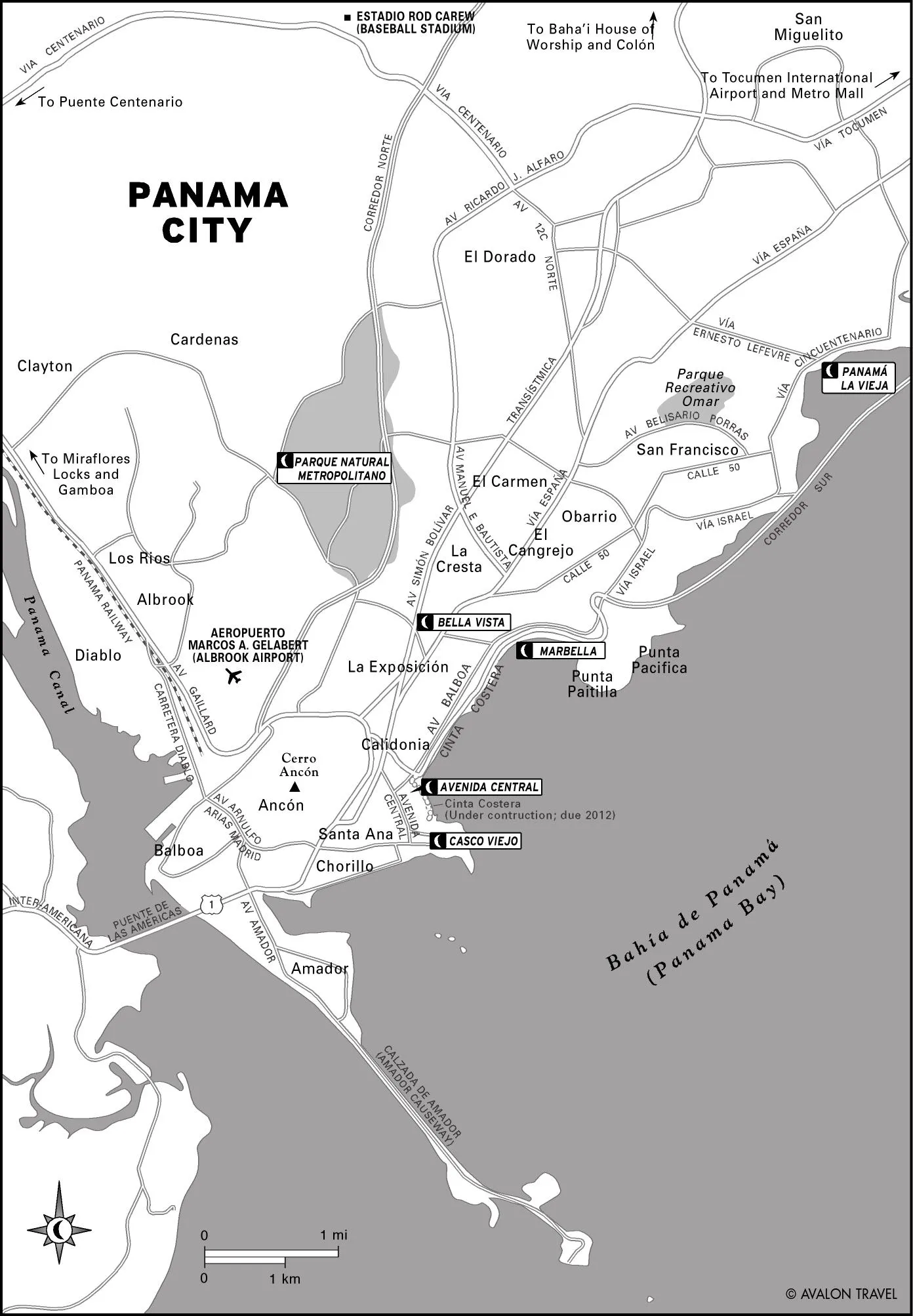
Here's what a genuinely workable $2,000 budget can look like for one person choosing a walkable Panama City neighborhood, cooking most of their own meals, and being intentional without living austerely.
| Category | Monthly Estimate |
|---|---|
| Rent (1BR, older building, walkable area like El Cangrejo or Bella Vista) | $850 |
| Electricity (moderate AC, mostly bedroom at night) | $90 |
| Water, gas, trash | $20 |
| Internet | $45 |
| Cell phone | $28 |
| Groceries (mostly local, some imported) | $280 |
| Transportation (Metro, occasional Uber, no car) | $80 |
| Health insurance (local plan) | $150 |
| Dining out | $180 |
| Entertainment and personal care | $120 |
| Household and miscellaneous | $157 |
| Total | $2,000 |
This isn't the cheapest possible version of life in Panama, and it's not a stripped-down survival budget either. It's a person who cooks most nights but eats out regularly, has real health coverage, keeps up with friends and hobbies, and lives somewhere they actually want to be. What it doesn't include is a car, a premium apartment, heavy imported grocery shopping, or much room for the unexpected.
Treat this table as a starting framework, not a guarantee. Your actual numbers will move depending on your specific choices, and I'll show you how below.
The Biggest Question: Where Are You Living?
Location changes this budget more than any other factor. Here's how the same $2,000 plays out differently depending on where you settle.
Panama City
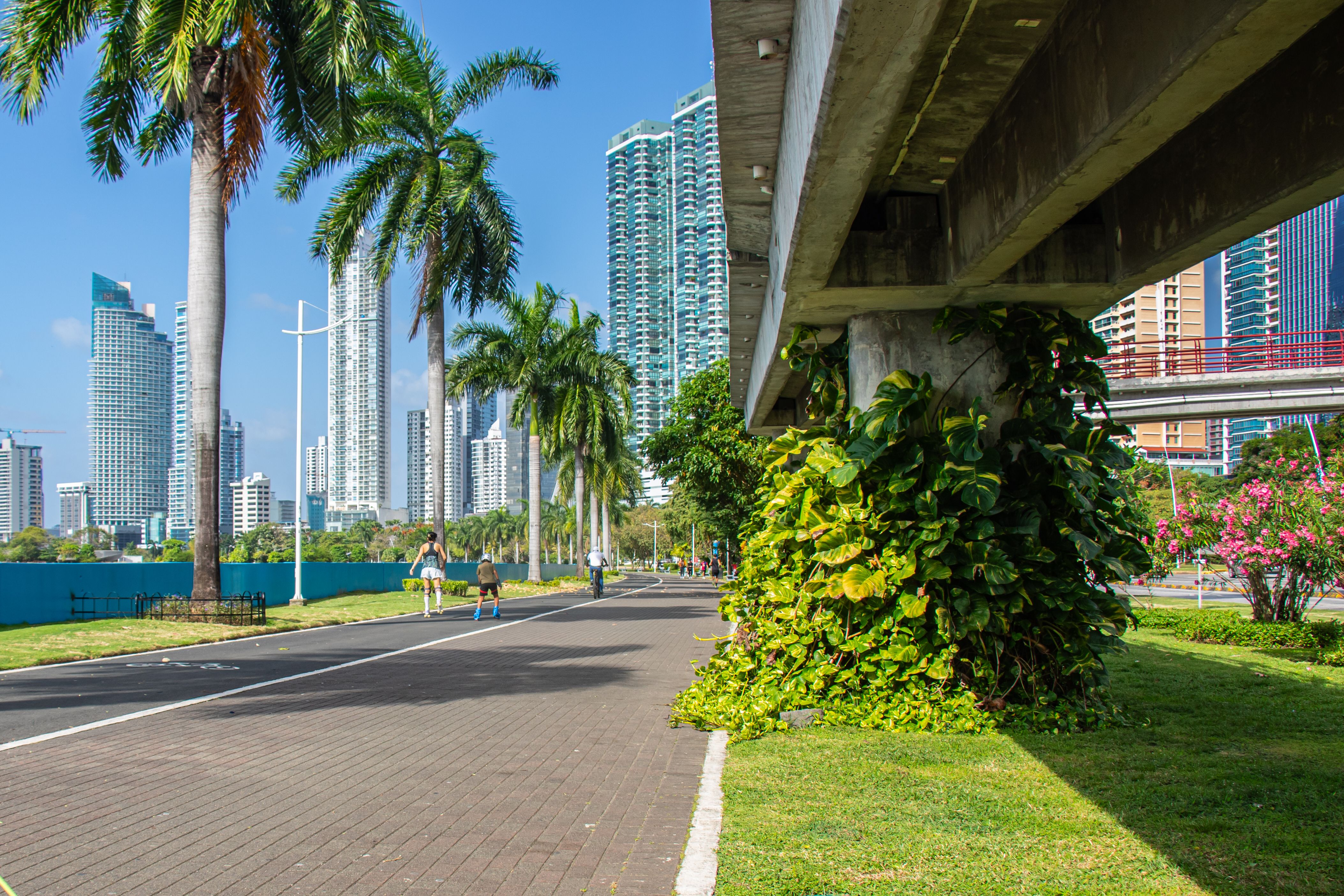
Panama City gives you the widest range of everything — housing, restaurants, healthcare, entertainment — but it also puts the most pressure on your housing line. If you're picturing a modern apartment in Punta Pacífica or Costa del Este, a car, imported groceries, and a full restaurant-driven social life, $2,000 is going to feel tight fast, because rent alone in those neighborhoods can eat most of your budget.
The version that actually works on $2,000 looks more like the table above: a solid but modest apartment in a walkable, less flashy neighborhood, relying on the Metro and Uber instead of owning a car, and being deliberate about how often you eat out and what you buy at the grocery store. Panama City rewards intentional choices on this budget far more than it punishes a smaller apartment.
Outside Panama City (Interior and Mountain Towns)
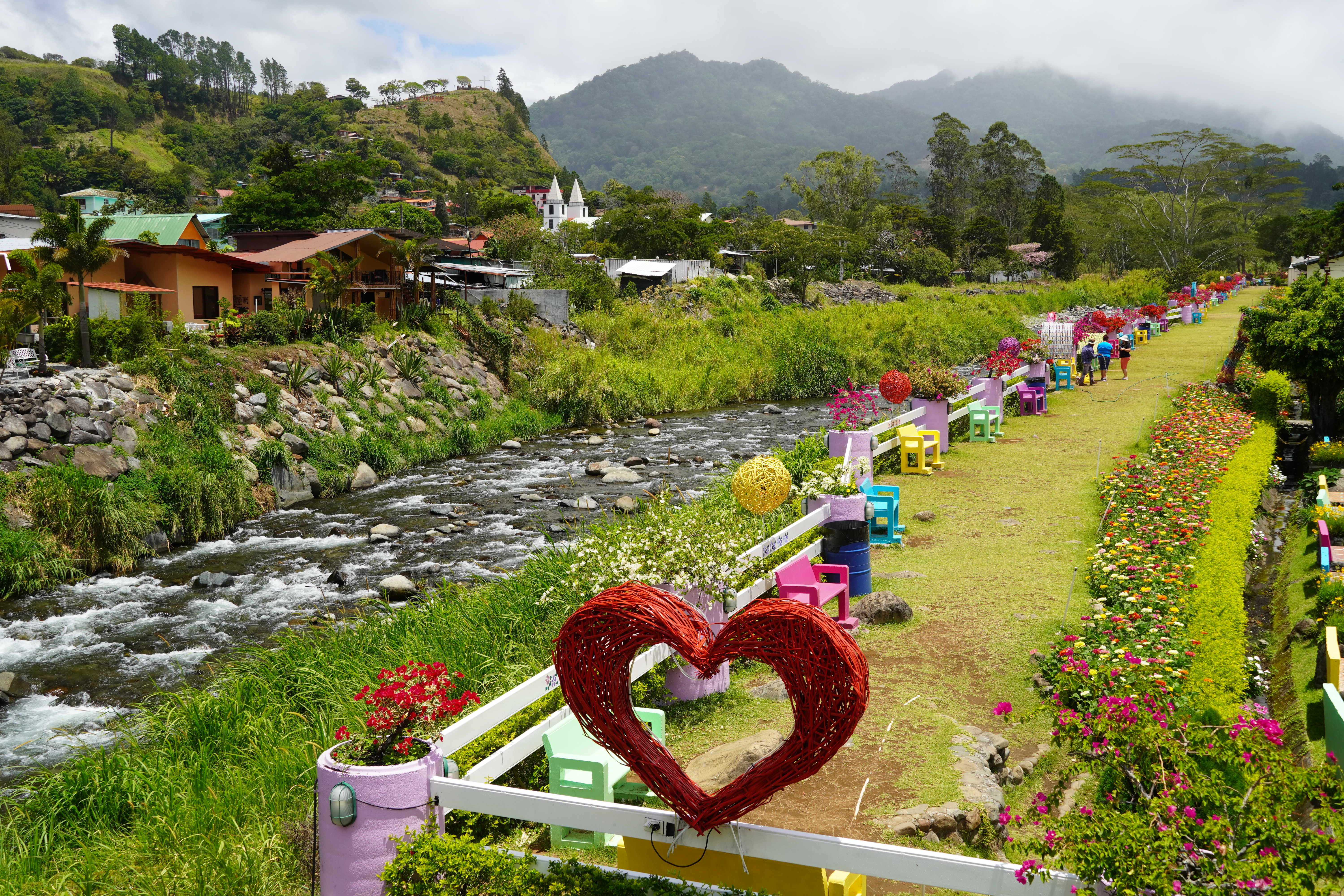
Move to a smaller interior town or a mountain community like Boquete or Volcán, and your housing cost typically drops, sometimes significantly. But don't assume “outside the city” automatically means “cheaper across the board,” because transportation usually shifts in the opposite direction. Many of these towns aren't walkable in the way Panama City neighborhoods are, and a car goes from optional to close to necessary.
Here's what that trade-off can look like on the same $2,000:
| Category | Monthly Estimate |
|---|---|
| Rent (comfortable 1BR or small house) | $650 |
| Electricity (little to no AC needed) | $50 |
| Water, gas, trash | $20 |
| Internet | $45 |
| Cell phone | $28 |
| Groceries (largely local) | $250 |
| Transportation (car: fuel, insurance, upkeep) | $280 |
| Health insurance | $150 |
| Dining out | $160 |
| Entertainment and personal care | $130 |
| Household and miscellaneous / buffer | $237 |
| Total | $2,000 |
Notice what happened here: lower rent and a cooler climate that barely needs air conditioning freed up enough room to absorb a car payment and still leave a genuine buffer. That buffer is real money you could put toward savings, travel, or simply breathing room — something the Panama City version of this budget doesn't really have.
Beach Communities
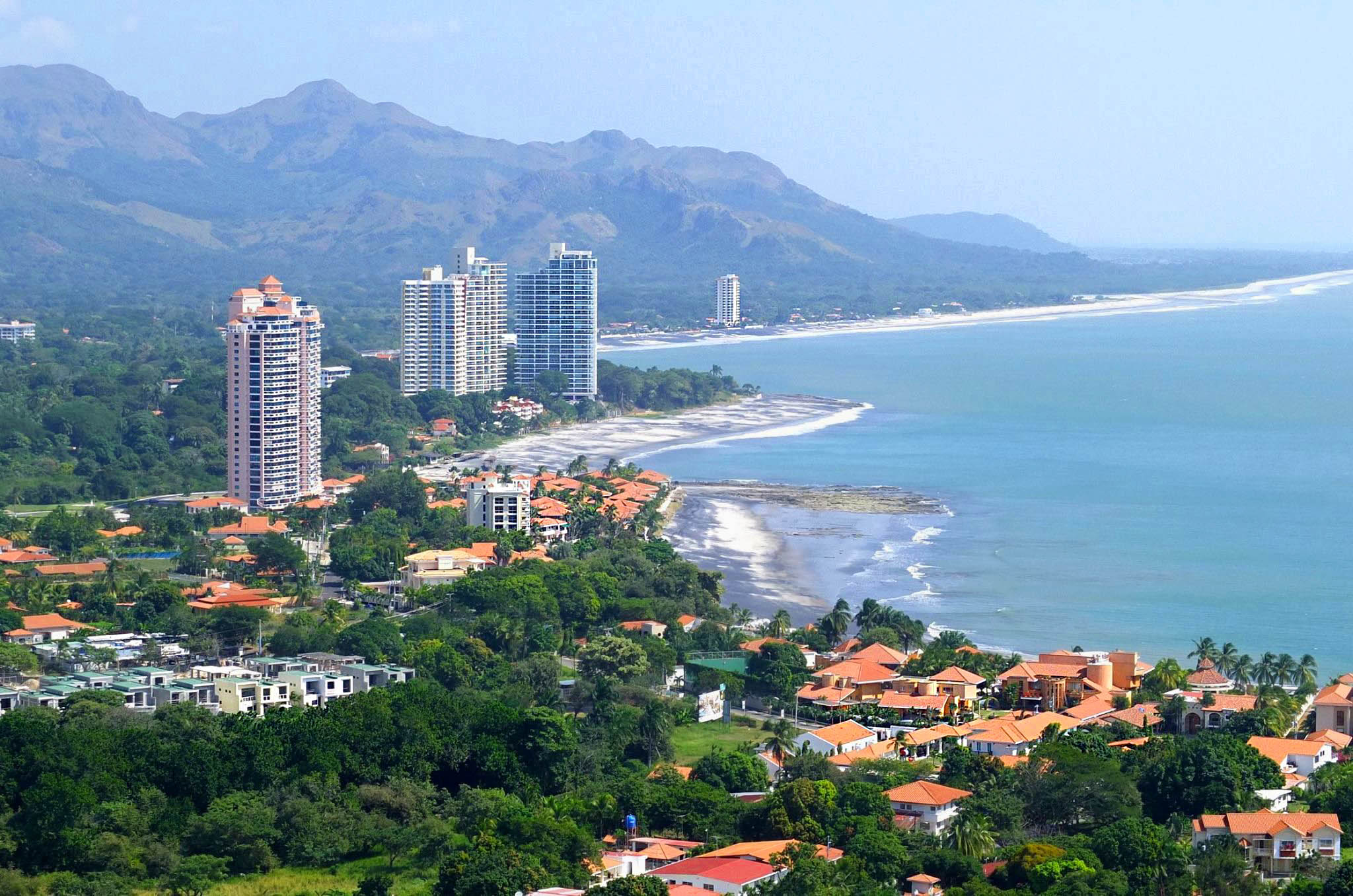
Beach living has its own math, and it doesn't automatically come out cheaper. Rent in popular beach towns can be comparable to, or sometimes cheaper than, Panama City depending on the specific community and property. What tends to change is everything around the rent: electricity climbs because AC becomes close to constant in beach heat, a car is usually necessary rather than optional, and imported groceries or restaurant options can be more limited or pricier depending on how developed the town is.
| Category | Monthly Estimate |
|---|---|
| Rent (1BR or small house, established beach town) | $750 |
| Electricity (regular AC use) | $150 |
| Water, gas, trash | $25 |
| Internet | $50 |
| Cell phone | $28 |
| Groceries | $280 |
| Transportation (car necessary) | $280 |
| Health insurance | $150 |
| Dining out | $150 |
| Entertainment and personal care | $110 |
| Household and miscellaneous / buffer | $27 |
| Total | $2,000 |
That's a noticeably thinner buffer than the mountain scenario, even though the rent isn't dramatically different. The combination of heavier AC use and car ownership is what does it. If beach living is the goal, that's the trade-off to plan around, not the rent number alone.
What Kind of Apartment Can $2,000 Support?
Across every version of this budget, housing is the single biggest lever. As a rough guide, keeping rent somewhere around 35% to 45% of your total budget — roughly $700 to $900 on a $2,000 total — leaves enough room for the rest of your life to function comfortably. Push rent up to $1,400 or $1,500, and there's very little left for anything else, including healthcare and food, which aren't optional line items.
That usually means compromising on some combination of neighborhood prestige, building age, view, size, or furnishings. An older building in a good, walkable location will almost always serve this budget better than a newer building further from things you need. I know that's not the apartment people picture when they imagine their Panama life, but it's the one that actually makes $2,000 work.
What Does Eating Look Like on This Budget?
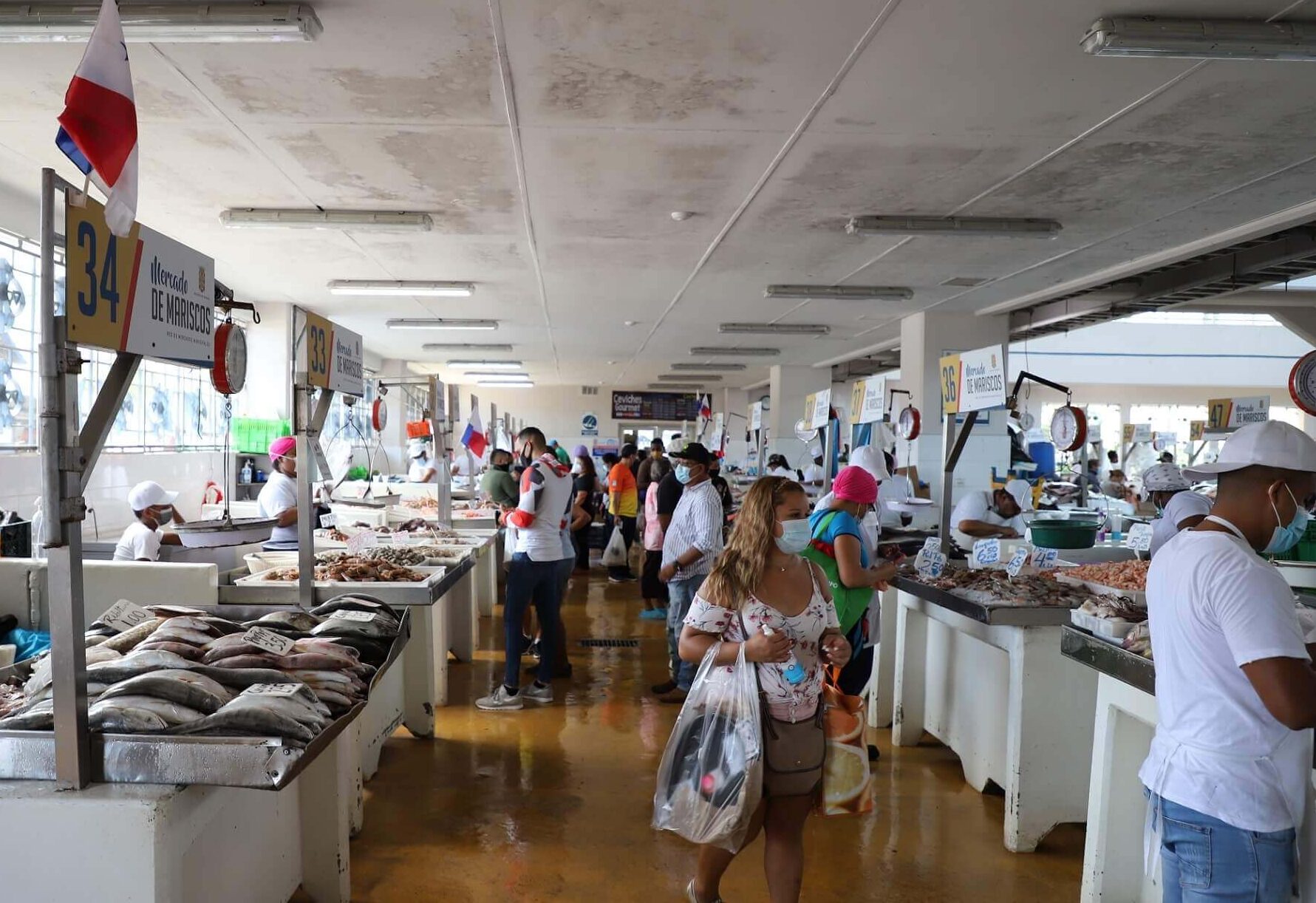
You can eat well on $2,000, but “well” here means leaning into what Panama actually does cheaply rather than recreating your old grocery cart. Local produce, fresh fruit, and Panamanian staples are genuinely inexpensive, and shopping at local markets instead of exclusively at supermarkets stretches your grocery budget noticeably further.
Where this budget gets squeezed is imported goods. Specialty cheeses, particular North American or European brands, and anything shipped in rather than grown here can cost the same as back home, sometimes more. If your grocery cart looks identical to the one you had in Canada or the US, plan on spending closer to $400 or $450 a month rather than the $250 to $280 built into these tables. Dining out follows the same logic: a local lunch spot will run you $6 to $10, while frequent meals at upscale, internationally styled restaurants will eat through your discretionary budget fast.
Can You Own a Car?
It depends entirely on where you live. In Panama City, skipping a car and relying on the Metro, walking, and the occasional Uber is genuinely the easier and cheaper choice on this budget, and it's what makes the $2,000 Panama City scenario work at all.
Outside the city, in most beach and interior towns, a car becomes far more practical, and in some places close to necessary for groceries, appointments, and getting around. When you're budgeting for a car, think beyond gas: insurance, maintenance, registration, and the near-certainty of an unexpected repair at some point all belong in that number. The mountain and beach budgets above both build in a realistic ongoing car cost, not just a fuel estimate, which is part of why they land where they do.
Healthcare and Insurance on a $2,000 Budget
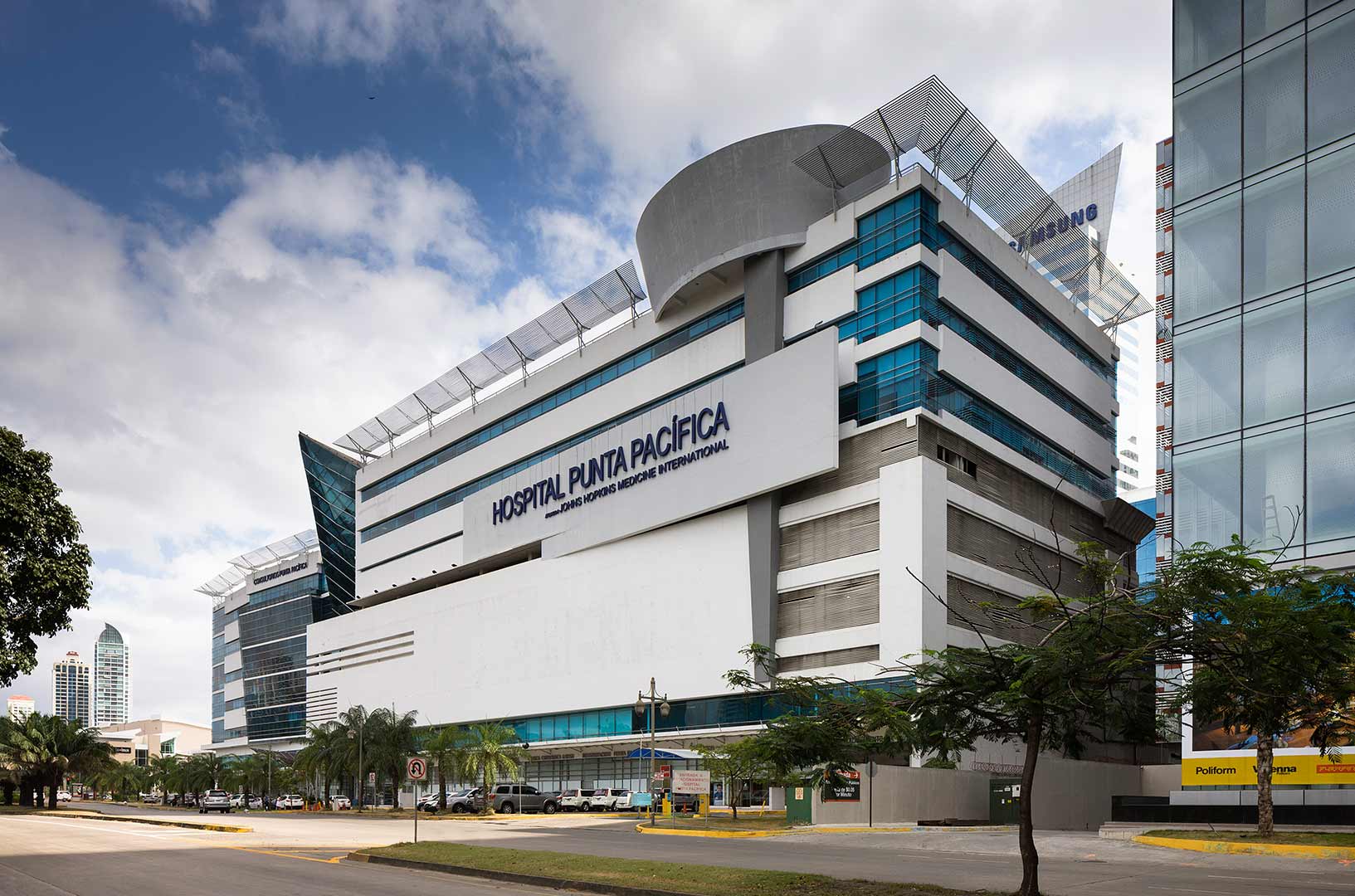
I'm not going to gloss over this one to make the math look better. Every version of this budget includes roughly $150 a month for health insurance, which reflects a reasonable local plan for a younger or middle-aged, generally healthy applicant. That number moves meaningfully with age, health history, and whether you choose a local plan or a more expensive international one with broader coverage.
If you're older or have a health condition that pushes your premium higher, or if you decide international coverage matters more to you than the cost savings of a local plan, this line item can climb to $250 or more, and that has to come from somewhere else in the budget. Don't build a $2,000 plan that skips insurance to make the numbers work more comfortably. Out-of-pocket routine care is genuinely inexpensive here, but that's not the same as being able to skip coverage altogether.
What Are You Giving Up at $2,000?
None of these scenarios include much room for the following:
- A newer or premium vehicle
- A large or luxury apartment
- Frequent upscale dining
- Heavy imported grocery shopping
- Regular international travel
- Premium international health insurance
- Meaningful monthly savings
That's not a story about deprivation. It's a story about prioritization. Someone on this budget might decide a genuinely nice apartment matters most to them and cut back on dining out to afford it. Someone else might prefer a more modest place and put the difference toward restaurants, travel, or a car. That's what makes a $2,000 life personal rather than a fixed formula — the constraints are real, but where you choose to feel them is up to you.
$2,000 in Panama City vs. $2,000 Elsewhere
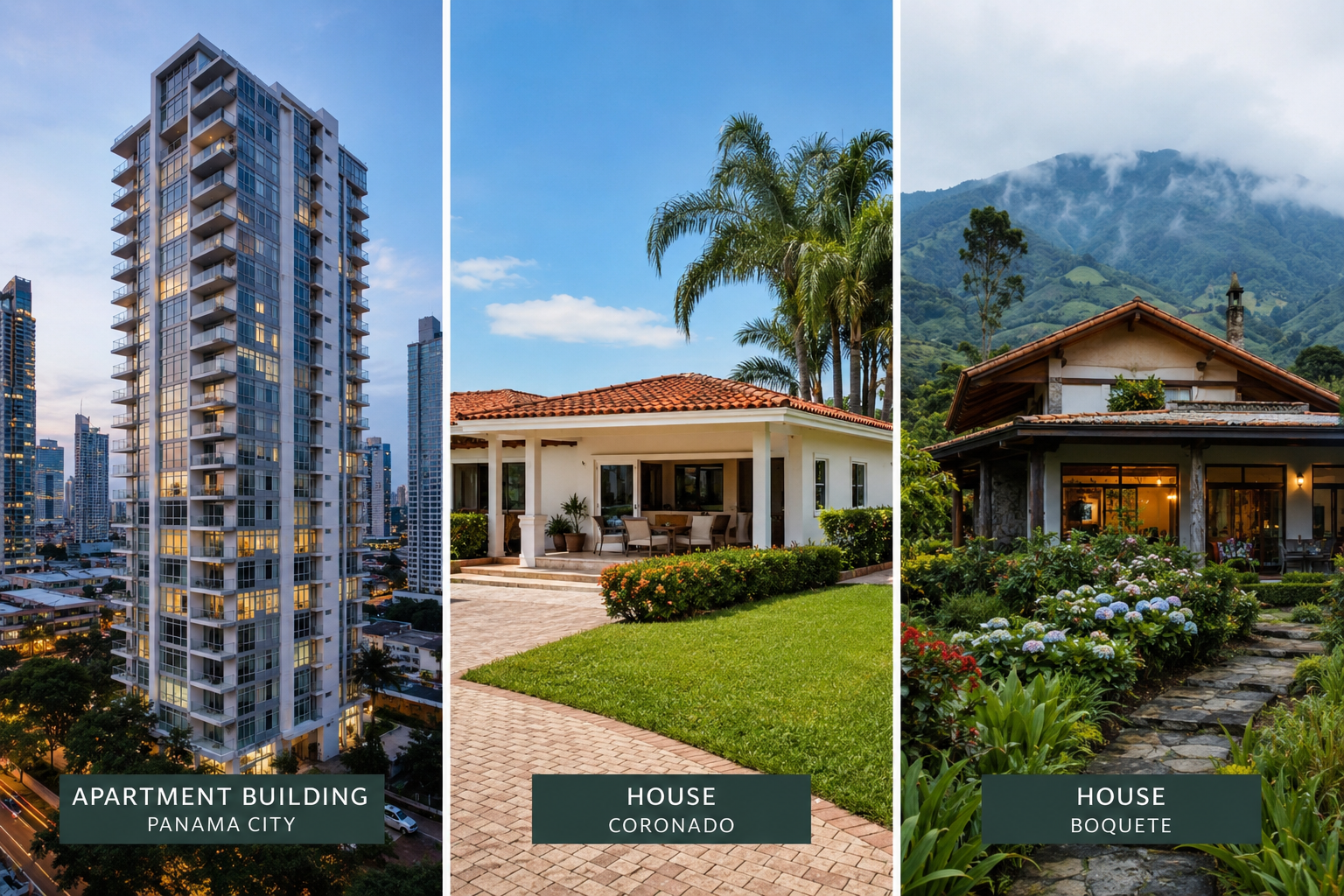
Put simply: in Panama City, $2,000 buys you access — walkability, restaurants, healthcare, an international community — at the cost of housing pressure and probably no car. In a mountain town, $2,000 buys you space and a lower cost of living overall, at the cost of needing a vehicle and a smaller, quieter social scene. At the beach, $2,000 buys you the lifestyle a lot of people picture when they imagine Panama, but electricity and transportation quietly take a bigger bite than people expect, leaving a thinner margin than the rent number alone would suggest.
None of these is the “right” answer. They're different trades for the same amount of money, and the right one depends on what kind of daily life you actually want.
Could a Couple Live on $2,000?
Not comfortably, in most cases — and I want to be straightforward about that rather than pretend the math works cleanly. Two people sharing one apartment and one set of utilities does create real efficiency; you're not paying for two separate places. But groceries, healthcare, transportation, entertainment, and personal expenses don't halve just because you're splitting rent, and most of those costs increase in a fairly direct way with a second person.
In practice, a couple aiming for the kind of lifestyle described in the single-person budgets above should plan closer to $2,800 to $3,500 a month, depending heavily on location and how much overlap there is in your spending habits. A couple can absolutely make $2,000 work, but it usually means a smaller or more modest apartment, tighter grocery and dining budgets, and less individual discretionary spending than either person would have on their own at that number.
What About $2,000 for a Family?
I want to head off a common mistake here: please don't apply this single-person budget to a family. Housing needs to be bigger, groceries scale up meaningfully with children, healthcare needs shift, and transportation often becomes less optional. The biggest factor by far is schooling. If your children need private or international schooling, tuition alone can run well past $1,000 a month per child in Panama City's established international schools, before you've spent a dollar on anything else.
A family relocating to Panama should build a budget from scratch based on their specific household size, schooling needs, and housing requirements rather than trying to stretch a single adult's $2,000 plan to cover everyone. It's a completely different calculation, and treating $2,000 as a realistic all-in family budget would be setting you up for a rough surprise.
“But Locals Live on Much Less” — Why That Comparison Falls Short
You'll hear this one eventually: many Panamanians live on considerably less than $2,000 a month, so shouldn't a foreigner be able to do the same, easily?
It's worth understanding why that comparison doesn't map cleanly onto a foreign resident's situation. Many Panamanian households own their homes outright, rather than paying rent every month. Multigenerational living and shared household expenses are common in a way that isn't typically part of a foreigner's relocation plan. Long-established local networks mean access to services, goods, and support that a new arrival simply doesn't have yet. Shopping habits, neighborhood choices, and overall lifestyle expectations also tend to look different, not because one way is better than the other, but because they reflect a different set of circumstances and a different life built over years, not months.
None of this is a criticism of how Panamanians live, and it's not meant to suggest foreigners are entitled to spend more. It's simply that “people can live on less here” answers a different question than the one you're actually asking, which is what your specific life, with your specific expectations, would cost.
The Real Question Isn't “Can You?”
Technically, yes, someone can survive in Panama on less than $2,000 a month, and someone can also spend far more than that without feeling like they're living extravagantly. Neither of those facts is particularly useful to you.
The better question is: can you live the life you actually want in Panama on $2,000? That depends on where you're picturing yourself living, what you expect your apartment to look like, whether a car is part of that picture, how you want to eat, what healthcare coverage you're comfortable with, how you spend your free time, and whether monthly savings matter to you. Once you're honest with yourself about those answers, $2,000 either fits comfortably, fits with some real trade-offs, or doesn't fit at all — and it's worth knowing which one before you book a flight, not after.
Figuring Out Your Own Number
If you're trying to figure out whether your version of a Panama life fits into $2,000, or what it would actually take to get there, that's exactly the kind of planning I help people work through. Reach out and tell me what matters most to you — the city, the beach, the mountains, a car, a garden, proximity to good healthcare — and I'll help you build a realistic picture of what your specific budget and location should actually look like before you make the move.