People ask me this before almost anything else: “Where should I actually live?” And I get why they're asking me instead of just googling a top-ten list, because most of those lists rank places like they're competing for a trophy. Panama doesn't work that way.
There's no single best place to live here. There's a best place for the life you're trying to build, and that's a different question for everyone.
A 68-year-old retiree who wants cooler weather and a quiet routine is not looking for the same thing as a 34-year-old remote worker who wants restaurants, a fast internet connection, and people her own age to grab a drink with. A family with two kids needs something neither of them needs. So instead of ranking towns, I want to walk you through what living in each of these places is actually like, including the parts that don't show up in the photos.
Start With Lifestyle, Not a Location Name
Before you fall in love with a town because you saw it on someone's Instagram, sit with a few honest questions.
- Do you want to be around people constantly, or do you want quiet?
- Beach or mountains, or does neither really call to you?
- Do you handle heat and humidity well, or does a 90-degree day wear you down?
- Do you want to walk to dinner, or are you fine driving everywhere?
- Is being close to a major hospital non-negotiable for you, or is a 45-minute drive an acceptable trade-off?
- Do you want a built-in expat community, or would you rather be one of the only foreigners around?
- How much Spanish are you actually willing to use day to day?
- Are you working, retired, or running a business here?
- Do you have kids who need a specific kind of school?
- How often do you plan to fly out of the country?
Your honest answers to those questions will tell you more about where to live than any ranking ever will. Keep them in mind as you read through the areas below.
Panama City
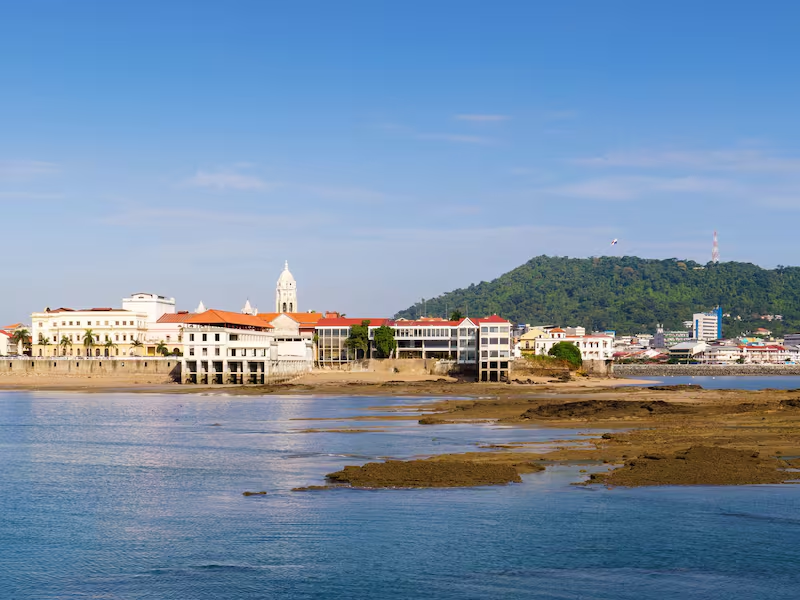
Panama City is genuinely a different country from the rest of Panama, and I mean that as neither a compliment nor a complaint. It's where you'll find the major hospitals, the widest restaurant and shopping selection, the international airport, and most of the country's real employment and business opportunities. If your life depends on frequent international travel, specialized medical care, or professional networking, this is where you'll want to be based, at least most of the time.
It's also traffic, noise, density, and a level of heat and humidity that doesn't let up much even with the ocean nearby. Rent is meaningfully higher here than almost anywhere else in the country, and that gap grows fast if you're drawn to the newer waterfront towers. And “Panama City” isn't one experience — a walkable apartment in El Cangrejo has almost nothing in common day to day with a gated house in a suburban development on the city's edge. Neighborhood choice inside the city matters enormously, more than most first-time visitors realize, which is exactly why it deserves its own deeper comparison rather than being flattened into a single description here.
Panama City tends to suit people who want city energy, who need to be close to top-tier healthcare or an airport regularly, and who don't mind paying more for that convenience. It tends to frustrate people who moved to Panama specifically to slow down, since the city rarely does that for you.
Beach Living
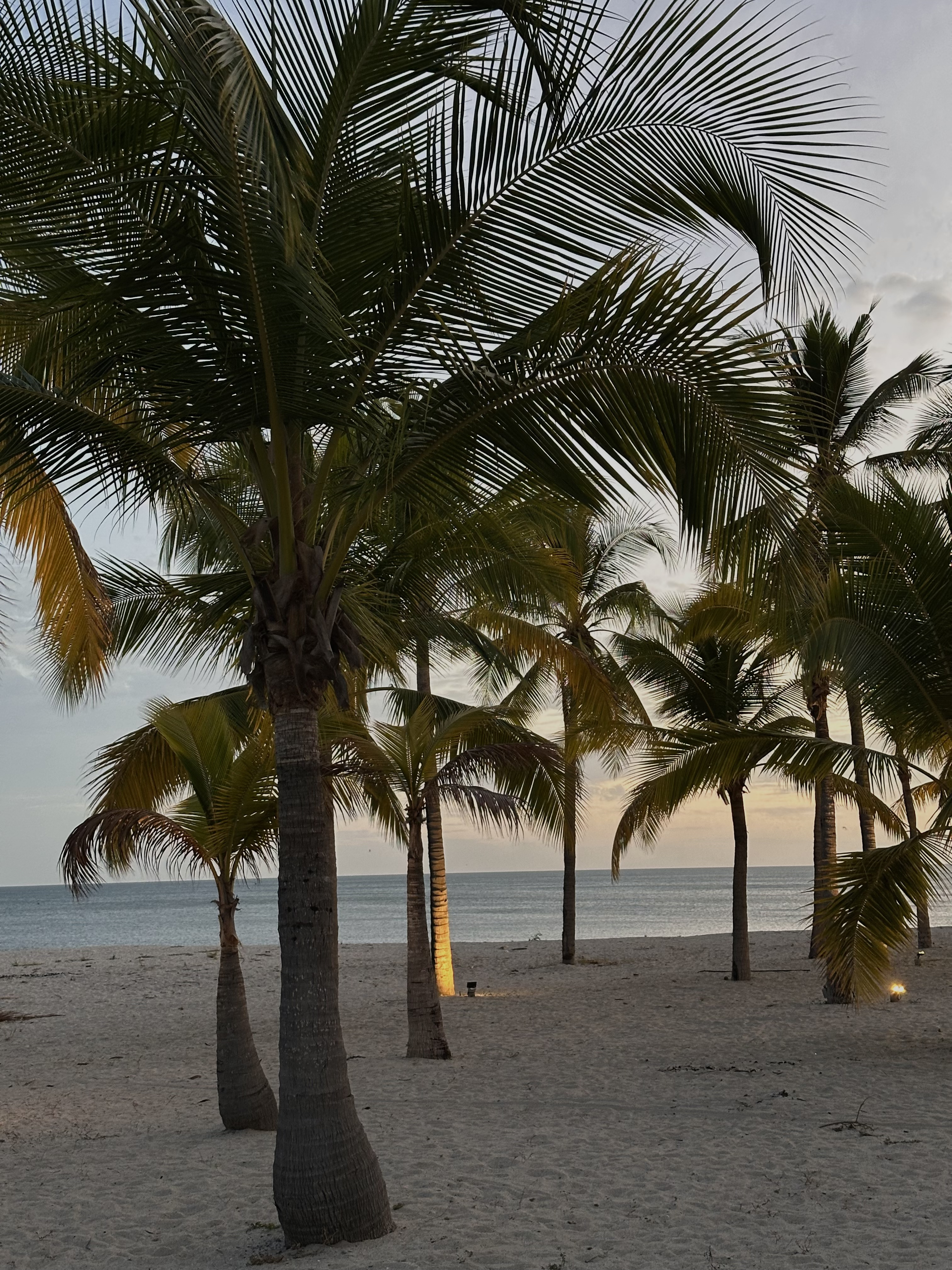
Here's the thing about beach towns that vacation brochures never quite say: living somewhere and visiting somewhere are not the same experience, and beach living is where that gap shows up the most.
Coronado
Coronado is the most established option, about an hour from Panama City on a good highway, with a real expat community, a golf course, a mall, and enough infrastructure that arriving here doesn't feel like starting from zero. It's also priced closer to Panama City than to the rest of the country, and the same conveniences that make it easy also make it easy to spend the way you would in the capital.
Santa Clara and Farallón
Santa Clara and Farallón, twenty to thirty minutes past Coronado, trade some of that infrastructure for quieter, less developed beaches. Fewer restaurants, fewer services, more peace. That's a real trade-off, not a downgrade — it depends what you're after.
Pedasí
Pedasí, out on the Azuero Peninsula, is a genuinely different kind of beach life. It's four to five hours from Panama City, feels far more Panamanian than North American, and doesn't come with the built-in convenience of Coronado. Water service can be inconsistent, amenities are limited to what Pedasí and nearby Las Tablas offer, and getting anywhere else takes real time. People who love it tend to love exactly that — the distance from everything else.
Across all of these, a few things matter more once you're actually living there rather than vacationing: a car is close to essential almost everywhere on the coast, humidity and salt air are hard on buildings, furniture, and appliances, and groceries and restaurant options thin out the further you get from Coronado. The social rhythm also shifts — a beach town on a Tuesday in September feels very different from a beach town on a holiday weekend, and it's worth experiencing both before deciding this is where you want to live year-round, not just where you want to vacation.
Mountain Living
Boquete
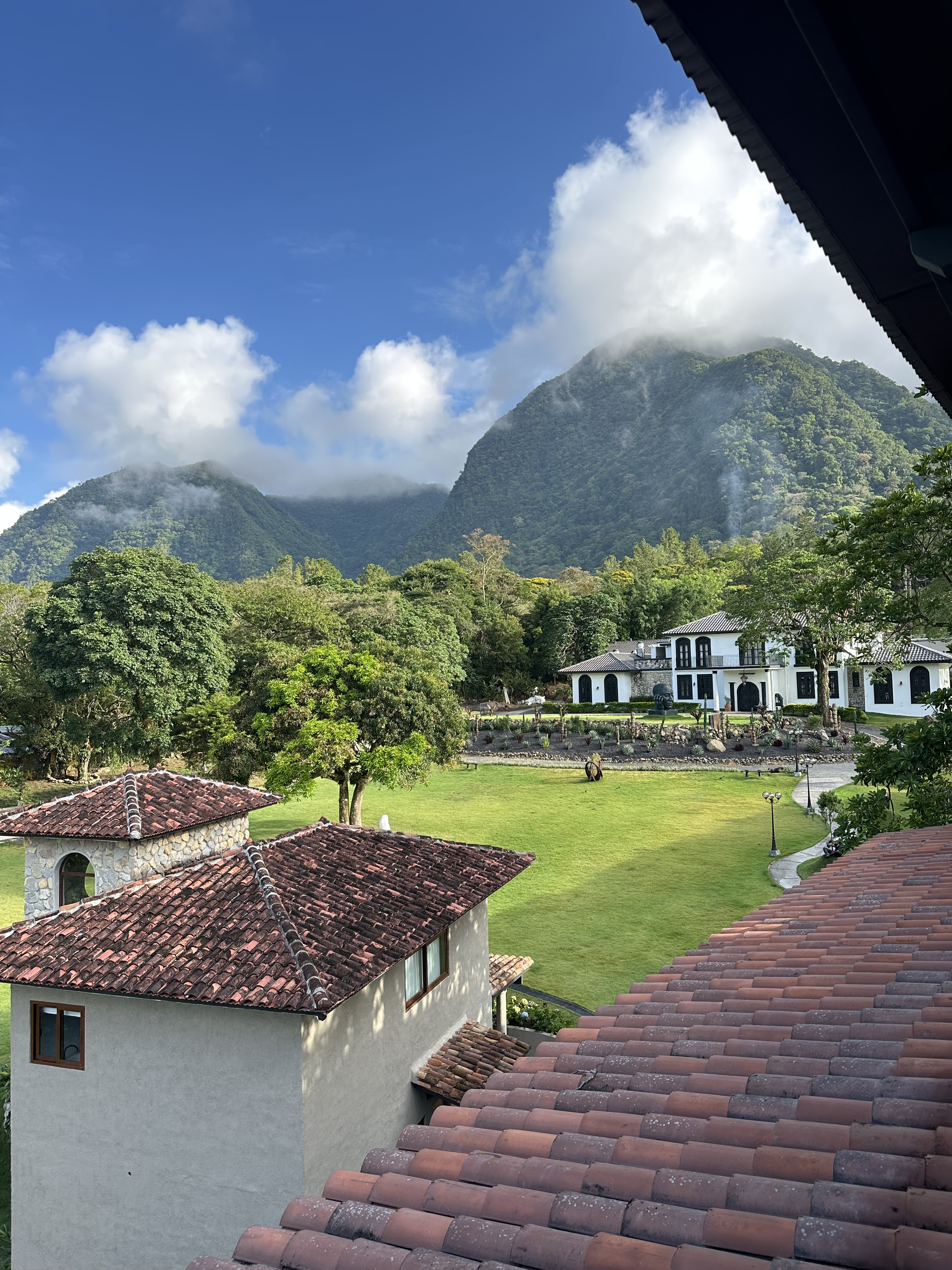
Boquete is the name most people already know, and it earns that reputation honestly — cool, spring-like weather at nearly 4,000 feet of elevation, genuine natural beauty, and one of the largest, most established expat communities in the country. About 20% of the local population is foreign, which means integration is easy but also means you can go a long time here without needing much Spanish or making many Panamanian friends, depending on how intentional you are about it.
The trade-offs are real. Boquete has grown enough that traffic and parking have become genuine complaints, not just old-timer grumbling. Housing and restaurant prices run higher than nearby towns because of that same demand. And for anything beyond routine care, you're looking at roughly a 40 to 45 minute drive to David, Chiriquí province's commercial hub, where the region's private hospitals are located. A new public hospital has been planned for Boquete itself, which will help, but as of now, serious medical needs mean a drive.
Volcán
Volcán, about an hour past David at a similar elevation to Boquete, is often described as what Boquete looked like fifteen years ago — more rural, more affordable, less polished, with restaurant prices running noticeably lower than Boquete's. It has its own 24-hour public hospital, which is a genuine advantage for a town its size, though the expat community and amenities are smaller than what you'd find in Boquete.
El Valle de Antón
El Valle de Antón, a crater valley roughly two to three hours from Panama City, draws a different crowd — often wealthy Panamanians with second homes and foreigners who want a cooler, quieter mountain feel without moving as far from the capital as Chiriquí province. It has real charm and a well-known Sunday market, but healthcare is limited to small local clinics, with anything more serious meaning a drive to Coronado or Panama City, and rentals under $1,400 can be genuinely hard to find given how much it functions as a resort-adjacent town for wealthier Panamanians.
Mountain living generally suits people who want a slower pace, cooler weather, and don't mind trading some healthcare proximity and restaurant variety for that. It tends to disappoint people who need to be near a hospital regularly, or who thought “quiet mountain town” meant something with more nightlife than it actually has.
David: The Practical Middle Ground
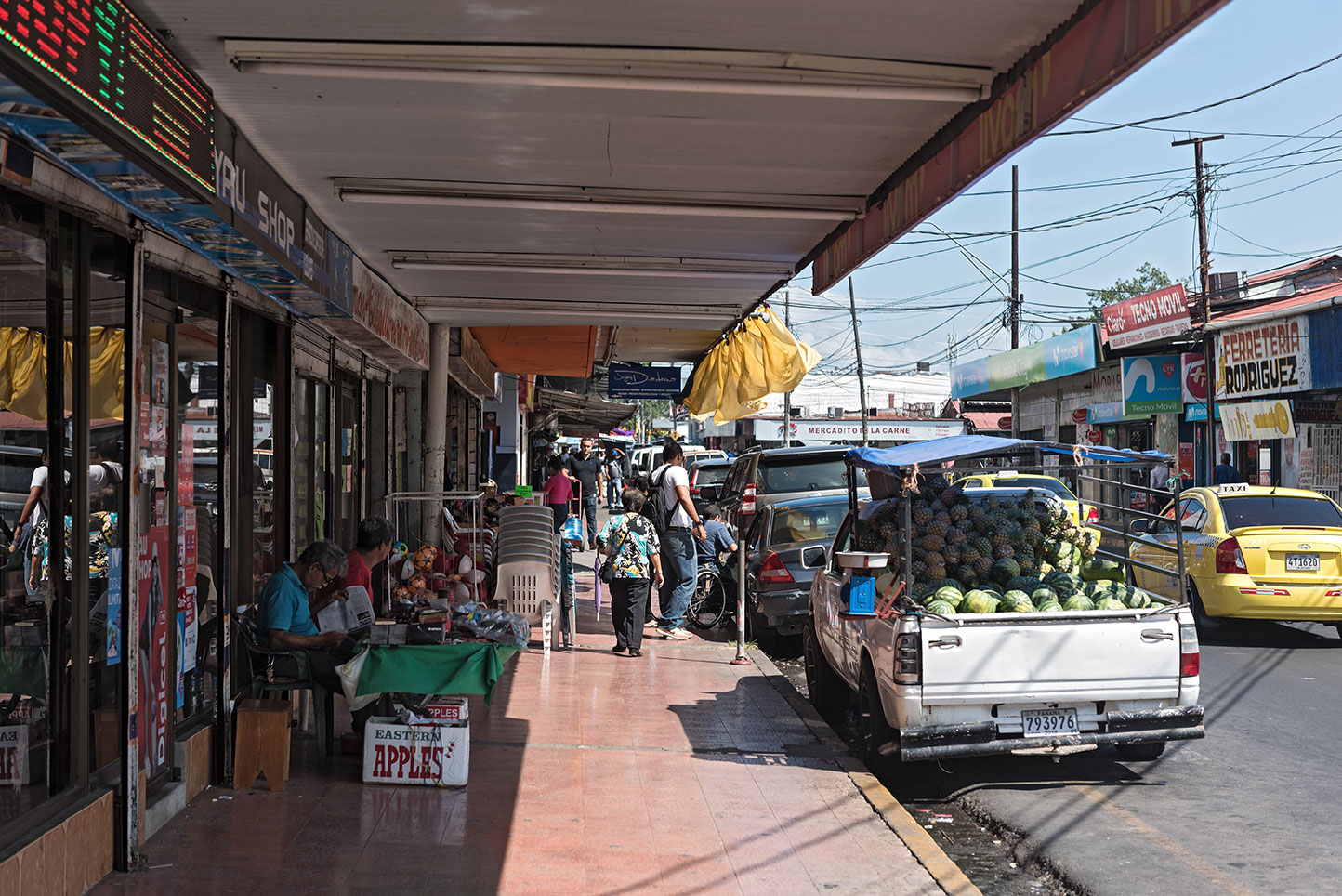
David doesn't get talked about nearly as much as Boquete or Coronado, and I think that's a mistake for certain people. It's Panama's third-largest city, with real hospitals, shopping, restaurants, and services all within about fifteen minutes of each other, no matter where in the city you're starting from. It's also thirty minutes from Boquete's cooler climate and thirty minutes from the nearest beach, which makes it a genuinely practical home base if you want access to both without committing fully to either.
What David doesn't have is Boquete's scenery or Coronado's beach-town social scene. It's hot, it's a working city rather than a retirement postcard, and it doesn't attract the same built-in expat community that draws people to the more famous towns nearby. But for someone who wants real infrastructure, lower costs than Panama City, and easy access to both mountains and coast, it's worth genuine consideration rather than being treated as a layover on the way to Boquete.
Cost Is Tied to Location More Than Anything Else
I've written a full breakdown of the cost of living in Panama, and I won't repeat it all here, but it's worth saying plainly: where you choose to live is the single biggest factor in what your Panama budget actually looks like. Coronado and El Valle, both within easy reach of Panama City, carry noticeably higher costs than towns further from the capital, largely because of the same demand that makes them convenient. Boquete costs more than Volcán for similar reasons. If you're trying to figure out what a specific budget actually buys you in different parts of the country, our $2,000, $3,000, and $5,000 breakdowns walk through exactly that, location by location.
Not Every Expat Is a Retiree
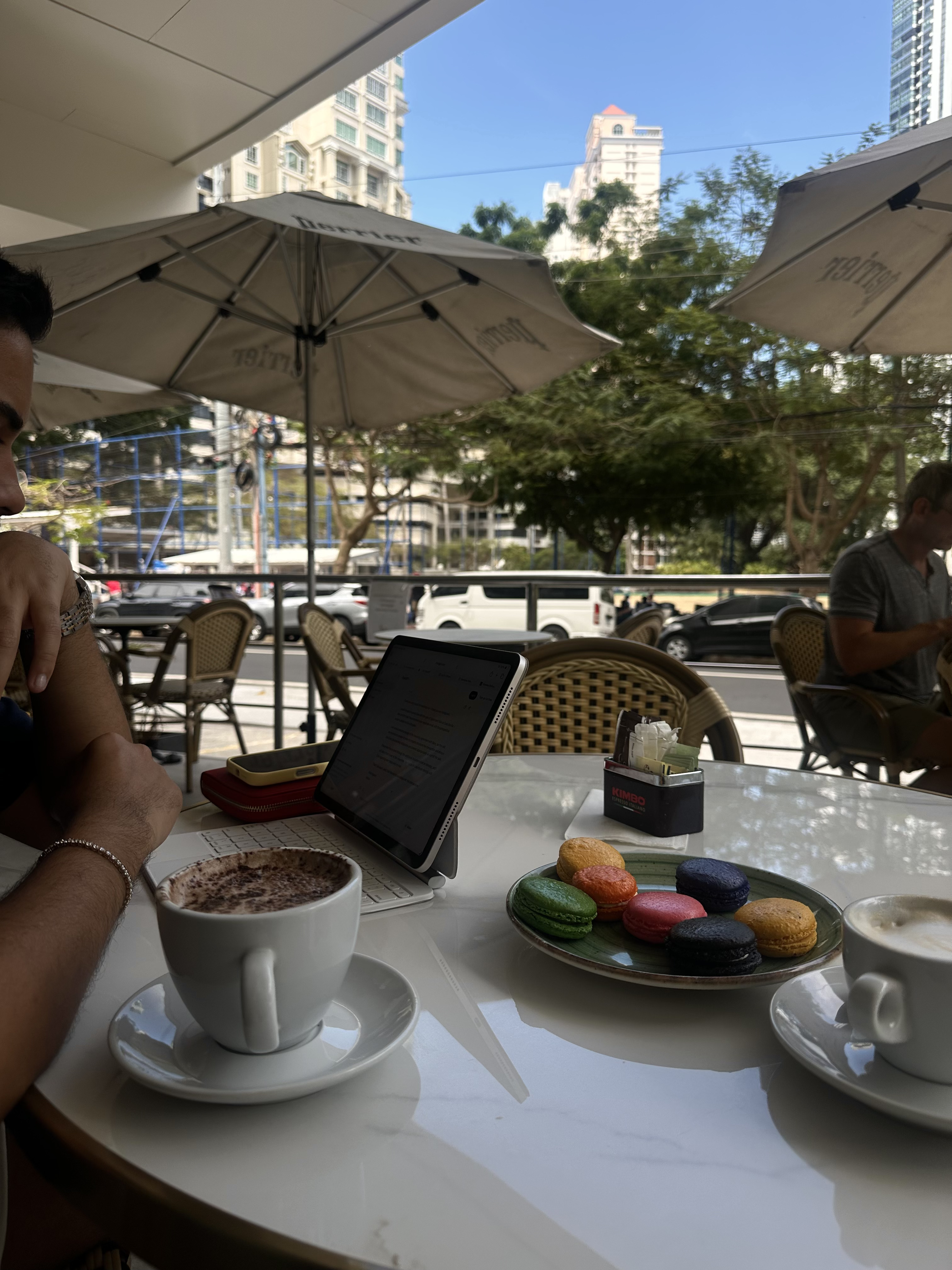
I want to say this clearly, because so much of what's written about “best places to live in Panama” is written with retirees in mind, and that's only one part of who actually moves here. A 35-year-old running a remote job wants reliable internet, a walkable social scene, and probably doesn't want to be the youngest person at every gathering by twenty years. A family with school-age kids needs to think about international schools, which narrows the realistic list to Panama City and maybe a couple of nearby areas, far more than it opens up Boquete or Pedasí. An entrepreneur trying to build something local needs a different kind of access than someone living entirely on savings or a pension.
The town commonly recommended to a 70-year-old retiree looking for community and quiet isn't automatically the right answer for you just because it's the name that comes up most often. Filter every recommendation, including everything in this article, through your actual life stage and daily needs, not just the version of Panama that gets written about most.
Why You Need to Actually Visit Before You Choose
I'll say this as directly as I can: research narrows your list. It cannot tell you how a place will actually feel to live in. A town can look perfect in every article and blog post and still not feel right once you're sitting in real traffic, walking to a grocery store that doesn't carry what you're used to, or noticing how far the nearest hospital actually is when it's not an abstract number on a page anymore.
If you're seriously considering a move, experience your shortlisted areas the way a resident would, not the way a tourist would. Run your actual errands. Sit in the apartment at the time of day you'd normally be home. Notice the drive you'd be doing regularly, not just the scenic one. A weekend in a beach town during high season tells you almost nothing about what a random Tuesday there feels like in September.
Bringing This Together
If you've read through this and you've already got two or three areas in mind but you're still not sure which one is actually right for your life, that's a completely normal place to be — and it's exactly the point where a relocation scouting visit becomes useful rather than optional. Instead of touring places like a tourist, we walk through them like you're actually going to live there: neighborhoods, housing options, the real drive to a hospital, where you'd actually shop, what a normal day would look like.
If you want help turning your shortlist into an actual decision, reach out and let's figure out where in Panama could genuinely be home for you.