If you've read our piece on the best places to live in Panama and landed on “Panama City is probably right for me,” good — that decision actually makes the next one harder, not easier. Panama City isn't one neighborhood's worth of experience. It's a dozen genuinely different ones, sitting close enough together on a map that people assume they're interchangeable. They're not.
I've had clients drive through three neighborhoods in an afternoon and change their entire shortlist by dinner, simply because a place that looked identical to another one online felt completely different in person. This article is meant to save you some of that trial and error.
What Actually Makes These Neighborhoods Different
Before getting into specific areas, it helps to know what you're actually comparing.
- Building style and age vary enormously even within a few blocks.
- Price level shifts based on view, amenities, and how recently a building went up — not just the neighborhood's general reputation.
- Walkability is real in some parts of the city and close to nonexistent in others.
- Some neighborhoods are built around restaurants and nightlife; others are quiet and mostly residential.
- Access to hospitals, international schools, parks, and the Cinta Costera waterfront path varies, and none of it lines up neatly with price.
Keep your own priorities in mind as you read: your budget, whether you'll have a car, whether you're working locally or remotely, whether you have kids, and how much city energy you actually want around you day to day.
Punta Pacífica
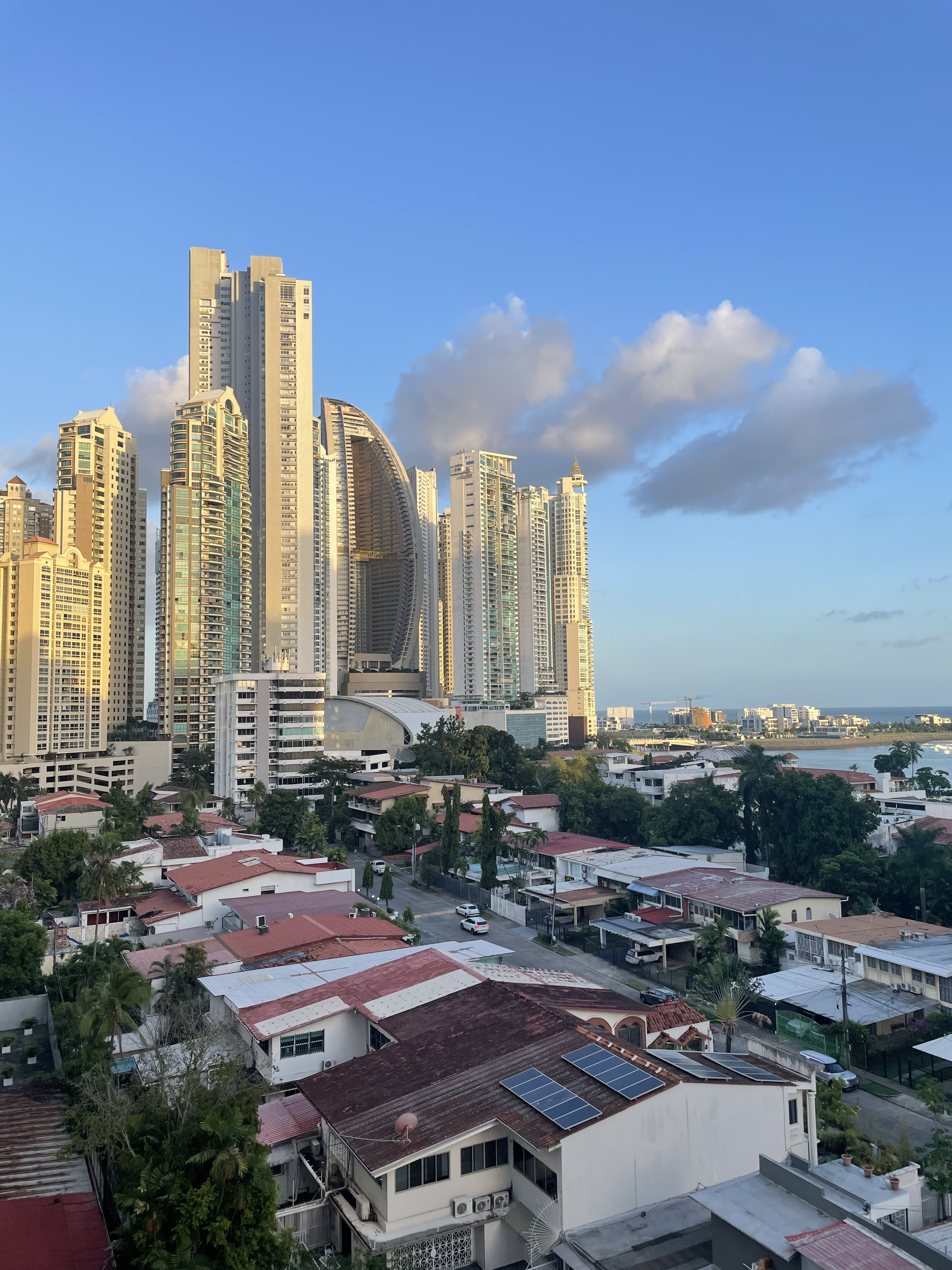
This is the neighborhood behind most of the postcard photos of Panama City's skyline — a peninsula of luxury towers, ocean views, and the kind of density that makes it genuinely walkable despite being made almost entirely of high-rises. Hospital Punta Pacífica, affiliated with Johns Hopkins, is here, along with the Multiplaza mall and a good cluster of restaurants and supermarkets within easy reach.
It's expensive, and it should feel expensive when you're apartment hunting here — this is one of the priciest parts of the city. Green space is limited, and because everything is towers, the neighborhood can feel a little impersonal compared to areas with more street-level life. It suits professionals and couples who want urban convenience and proximity to top-tier healthcare, and want to pay for it. It tends not to suit anyone looking for a slower, more neighborhood-y feel, or anyone trying to keep housing costs down.
Punta Paitilla
Right next door to Punta Pacífica and often confused with it, Paitilla is the more established, quieter sibling — longer-term residents, a more settled, less flashy atmosphere, and a similar level of luxury without quite the same skyline-photo energy. It's popular with retirees and families who want ocean breezes, proximity to hospitals, and traditional supermarkets rather than a nightlife scene.
The trade-off with both Paitilla and Pacífica is the same: you're paying peninsula prices, and neither neighborhood has much commercial or street life beyond the residential towers themselves. If you're choosing between the two, Pacífica leans slightly more energetic and international; Paitilla leans slightly quieter and more settled. Neither is walkable to the rest of the city in a practical sense — you're relying on a car or Uber to get anywhere beyond your immediate block.
El Cangrejo
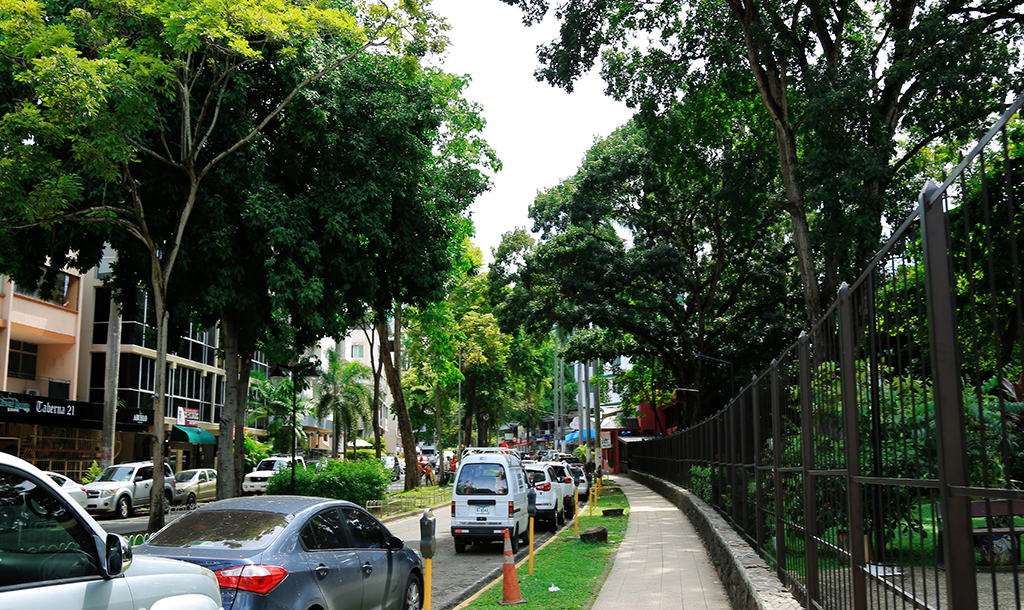
If you want to actually walk to dinner, El Cangrejo is probably where you end up. It's consistently described as the most walkable neighborhood in the city, with two Metro stations, wide sidewalks, and a genuine mix of cafés, restaurants, bookshops, and small businesses at street level rather than tucked inside towers. It has a bohemian, slightly worn-in character — older buildings, tree-lined streets, a real neighborhood feel rather than a planned development.
It's also one of the more affordable central options, which combined with the walkability is exactly why it's long been the default answer for expats who don't want a car and don't want to overspend on rent. The trade-offs: heavy traffic during business hours on the main roads, and parking can be a genuine headache in the older buildings if you do decide to keep a car. It suits singles, couples, remote workers, and retirees who value walkability and don't need a lot of space. It's a less natural fit for families wanting more room or a quieter residential feel.
Bella Vista
Bella Vista sits right alongside El Cangrejo and shares a lot of its walkable, café-and-restaurant character, often blurring together with it in casual conversation. It's along Vía España, has good Metro access, and offers a similar mix of older and newer buildings. If El Cangrejo feels slightly bohemian, Bella Vista leans a bit more toward a general urban residential feel — still walkable, still central, with its own restaurant scene without being quite as distinctly “artsy” as its neighbor.
The two are genuinely comparable, and a lot of people choosing between them are really choosing based on a specific building or block rather than a fundamental difference in lifestyle. Both work well for the same kind of resident: someone who wants city life without a car.
Obarrio
Obarrio sits between the more residential feel of Bella Vista and the business-district character of Panama City's financial core — banks, office towers, hotels, restaurants, and walk-up apartments above street-level shops. It has a working, professional energy to it, which makes sense given how much of the neighborhood is built around offices.
It's a solid choice for people who work locally, don't want to drive, and like living somewhere with genuine urban density rather than a quieter residential stretch. The trade-off is traffic during business hours, which can be heavy given the concentration of offices, and it doesn't have quite the same evening restaurant energy as El Cangrejo or Bella Vista once the workday winds down.
San Francisco

San Francisco is more residential and noticeably more family-oriented than the neighborhoods above, with high-end supermarkets, shopping, and access to Omar Park, one of the city's better green spaces. It's often described as a good balance between convenience and calm — less nightlife-driven than El Cangrejo, more spacious than the older central neighborhoods, and generally more affordable than the Punta Pacífica or Paitilla peninsulas.
It suits families and anyone who wants a quieter, more residential version of central living without moving all the way out to Costa del Este. It's less walkable in the pure sense than El Cangrejo — you'll likely want a car or rely more on Uber for some errands — but it's not car-dependent in the way the suburban-style developments further out can be.
Coco del Mar
Coco del Mar sits further along the coast and has been one of the faster-appreciating residential areas in recent years, drawing comparisons to San Francisco for its family-friendly, more suburban character within city limits. It offers a mix of housing types and a generally calmer atmosphere than the central walkable neighborhoods, with decent access to shopping and services nearby.
It tends to suit people who want a residential, less urban-dense lifestyle while still being within a reasonable drive of the city center, rather than people prioritizing walkability or nightlife.
Costa del Este
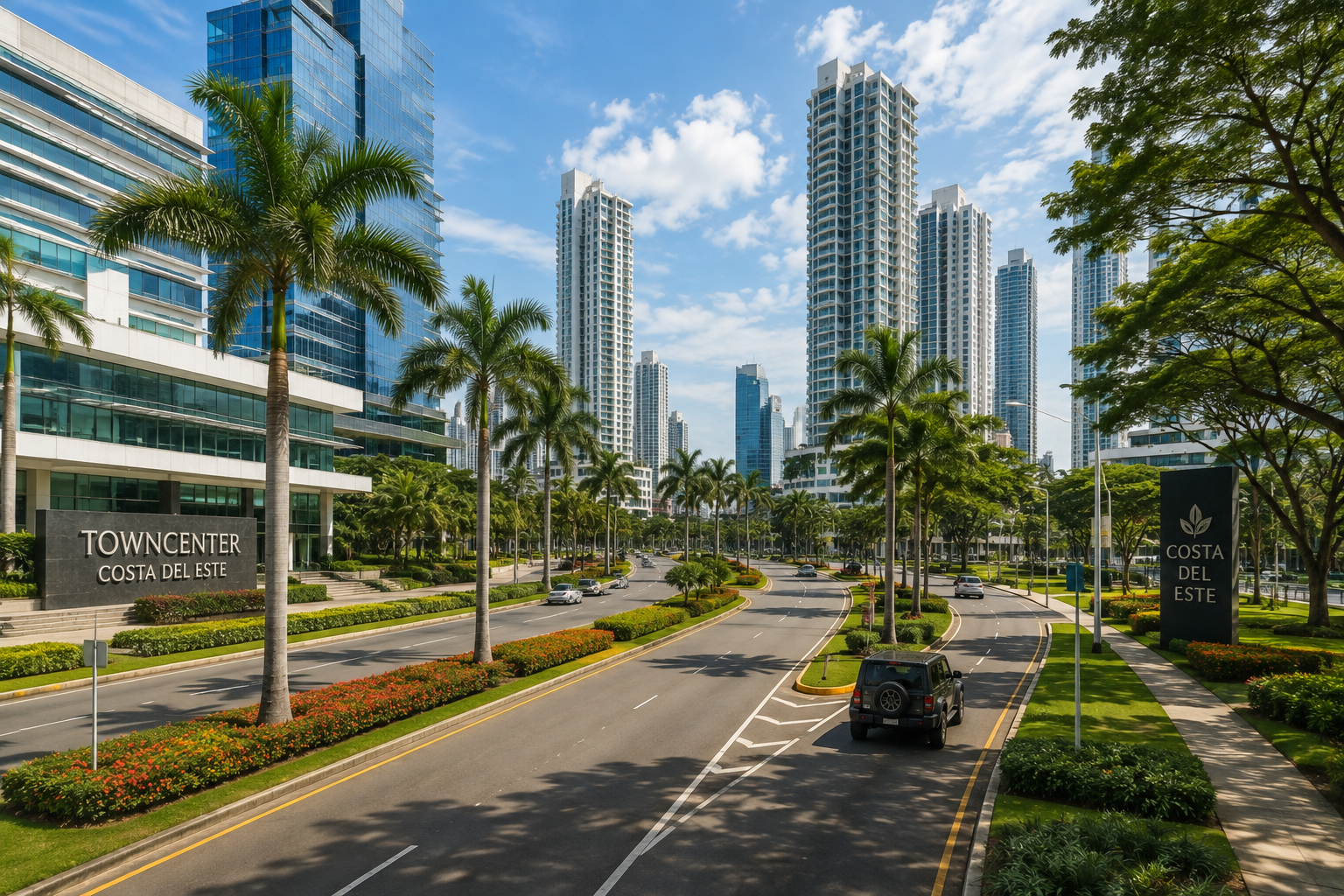
Costa del Este is a planned development on the eastern edge of the city, and it feels like it — wide boulevards, mature landscaping, gated residential sections, international schools, and a genuinely more suburban, structured environment than almost anywhere else in Panama City. For families specifically, it's one of the most complete options: schools, offices, shops, and green space all built in from the start, along with a real sense of safety and order.
It's less walkable than the central neighborhoods, and it can feel a little disconnected from the rest of the city's energy — this is not where you go for spontaneous street life. It suits families and professionals who want a structured, suburban-feeling environment and don't mind driving. It's a poor fit for someone who moved to Panama City specifically for dense, walkable urban living.
Casco Viejo
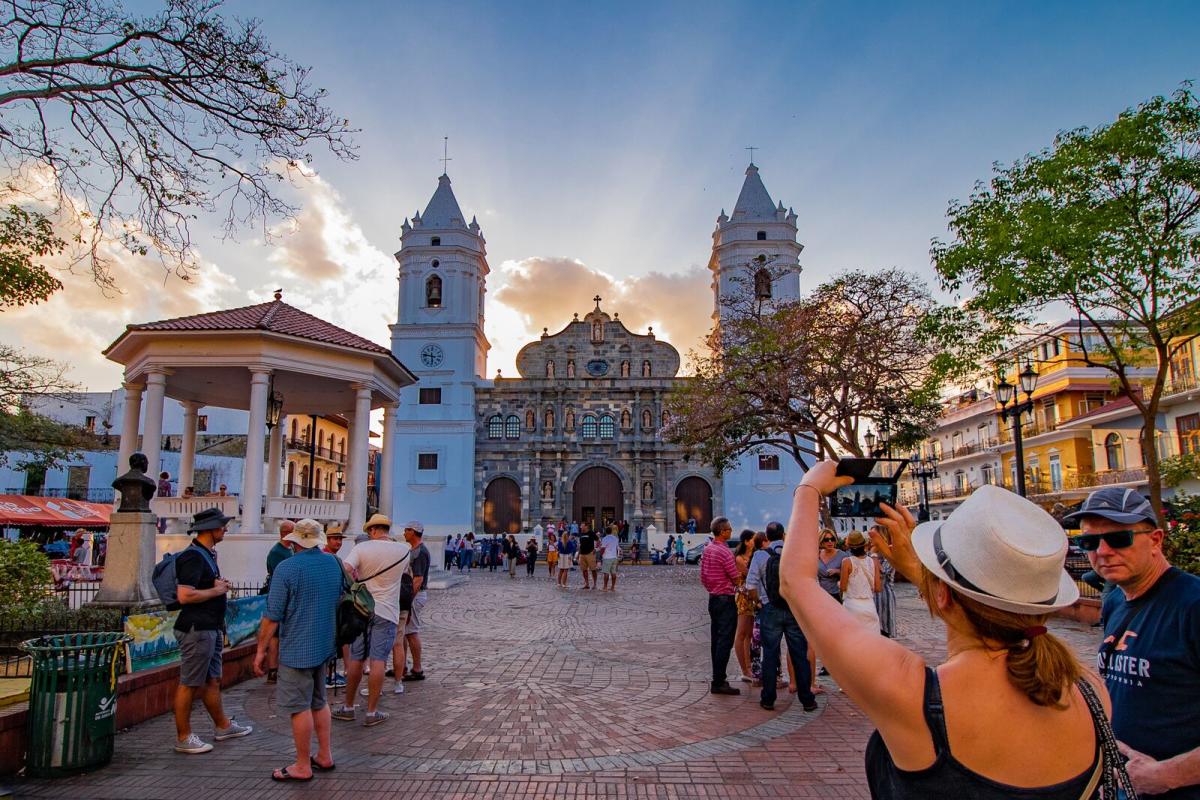
Casco Viejo is the historic, UNESCO-listed old town, and it's genuinely unlike anywhere else in the city — colonial architecture, boutique hotels, art galleries, and some of the city's best restaurants and rooftop bars, all within a compact, walkable footprint. It's had a real renaissance over the past decade and is now one of the most photographed and sought-after districts in the country.
Living here full-time is a different experience than visiting. It's noisy, touristy, and the streets that make it charming during the day can feel different late at night. It also borders some rougher areas, so knowing the actual boundaries matters more here than in most neighborhoods — this isn't a place to wander without a sense of where you are. It suits people who want historic character, walkability, and don't mind tourist foot traffic and nightlife noise. It's generally not the first choice for families or anyone who wants quiet.
Avenida Balboa
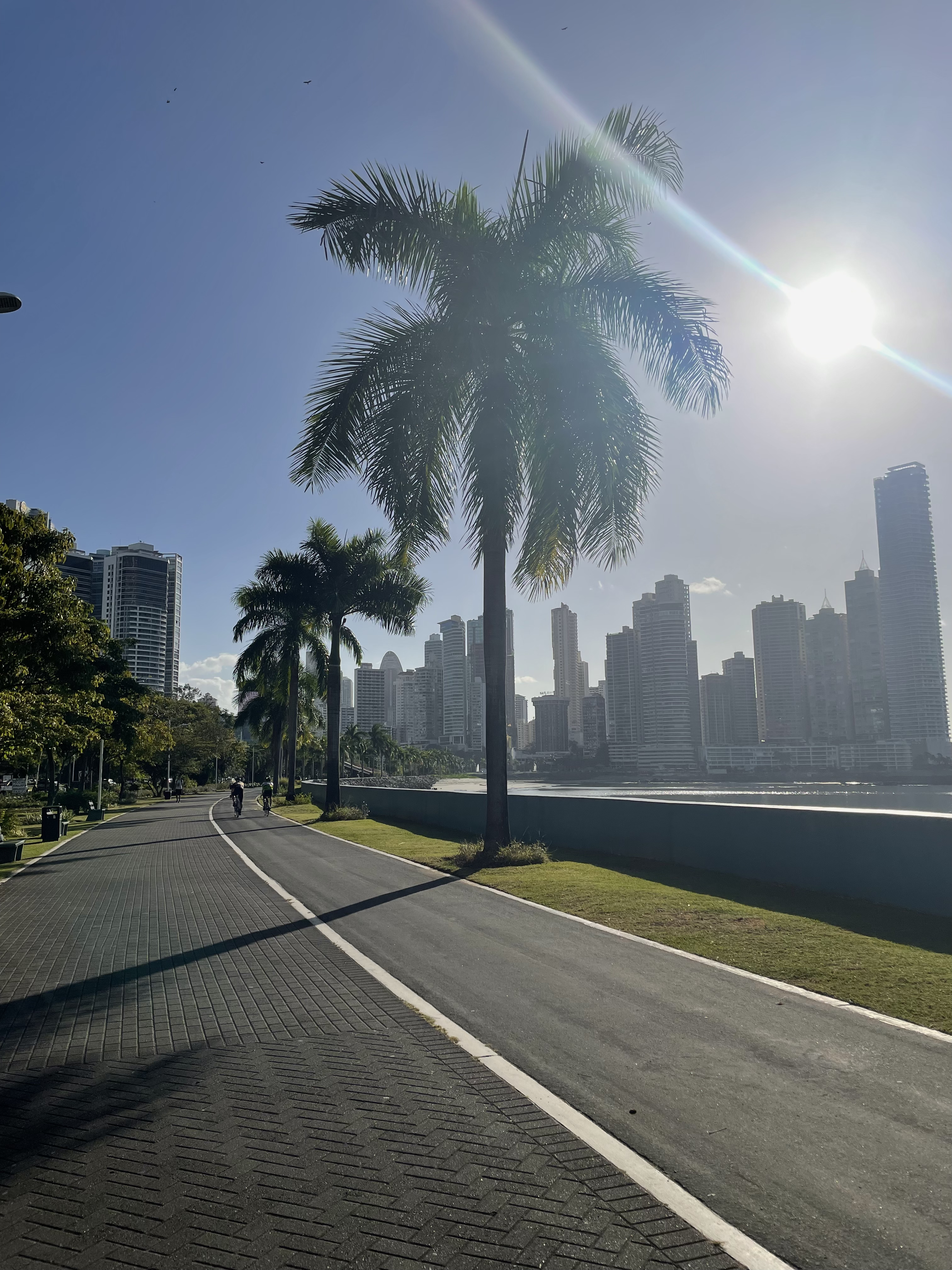
Avenida Balboa runs along the Cinta Costera, the waterfront path that's genuinely one of the best parts of Panama City for walking, running, or biking, with some of the most recognizable skyline views in the country. Living directly on the avenue puts you close to that waterfront lifestyle and downtown access, though traffic noise from the avenue itself is a real factor in some buildings.
It appeals to people who value the waterfront and downtown proximity specifically, more than a broader walkable neighborhood feel — you're closer to a scenic corridor than to a self-contained community of shops and restaurants at street level.
Comparing Similar Choices
A few genuine head-to-head decisions come up constantly. Here's how I think about each pairing.
| Decision | How They Differ | Best For |
|---|---|---|
| Punta Pacífica vs. Punta Paitilla | Pacífica is more energetic and international; Paitilla is quieter and more settled. Both expensive, both car-dependent beyond their own blocks. | Couples/professionals (Pacífica) vs. retirees/families (Paitilla) |
| San Francisco vs. Coco del Mar | San Francisco sits closer in with more immediate walkability to shopping and the park; Coco del Mar leans more purely residential. | Central-but-quiet (San Francisco) vs. suburban-calm (Coco del Mar) |
| El Cangrejo vs. Obarrio | Walkability-and-character (El Cangrejo) vs. business-district practicality (Obarrio). Both walkable and Metro-connected. | Car-free urban life (El Cangrejo) vs. local workers (Obarrio) |
| Avenida Balboa vs. quieter residential | Waterfront view and downtown proximity vs. a self-contained neighborhood with street-level restaurants. | Waterfront lifestyle vs. community feel |
What Rent Actually Depends On
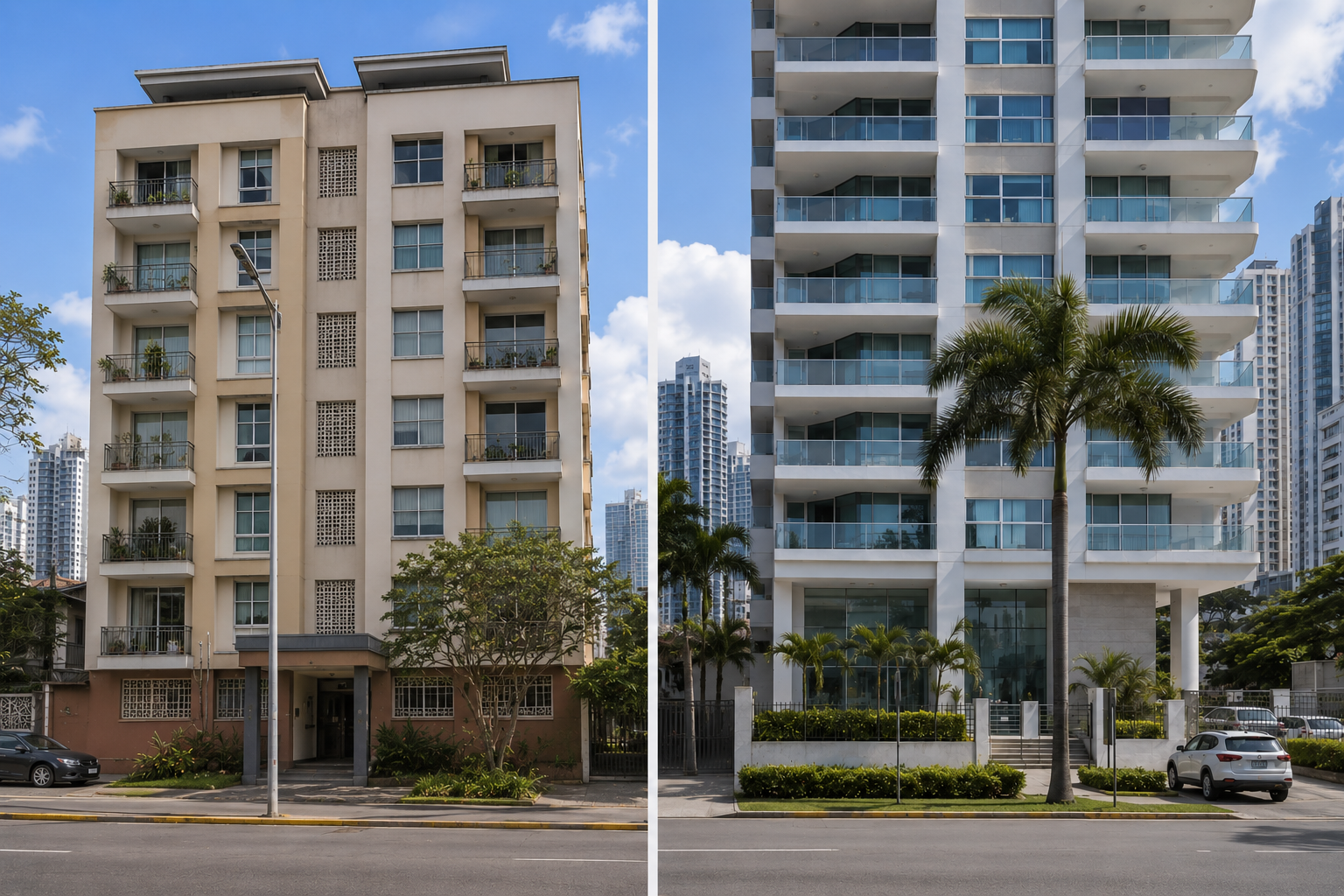
Two apartments of similar size in the same general area can carry very different price tags, and it's rarely random. Building age matters — a newer tower with amenities costs more than an older building with more character and less polish. Views, especially ocean or skyline views, add a real premium. Whether a unit is furnished, whether it comes with parking, and how recently it's been renovated all move the number too.
If you want the fuller picture of how housing fits into an overall Panama budget, our cost of living in Panama breakdown covers that in more detail — this article is really about which neighborhood, not what the citywide averages look like.
Walkability Means Something Specific Here
If you're coming from Toronto, New York, or a European city, recalibrate what “walkable” means in Panama City. El Cangrejo, Bella Vista, and Obarrio genuinely let you handle groceries, restaurants, and errands on foot, with solid Metro access on top of that. Punta Pacífica is walkable within its own peninsula but not connected to the rest of the city on foot. San Francisco and Coco del Mar are livable without a car but you'll lean on Uber more. Costa del Este is built around driving, full stop — the wide boulevards and gated sections aren't designed for spontaneous walking.
Know which category matters to you before you commit, because the gap between “technically walkable” and “actually walkable” is bigger here than in most cities people are moving from.
| Neighborhood | Walkability | Car Needed? |
|---|---|---|
| El Cangrejo | Genuinely walkable + Metro | No |
| Bella Vista | Walkable + Metro | No |
| Obarrio | Walkable + Metro | No |
| Punta Pacífica | Walkable within peninsula only | Yes, beyond the block |
| San Francisco | Livable, Uber-friendly | Helpful |
| Coco del Mar | Residential, Uber-friendly | Helpful |
| Costa del Este | Built around driving | Yes |
| Casco Viejo | Compact and walkable | No (parking is hard) |
| Avenida Balboa | Waterfront corridor | Helpful |
Different Neighborhoods for Different People
Here's a reasonable starting point based on who tends to land where — not a hard rule, but a useful frame.
| Who You Are | Neighborhoods Worth Starting With |
|---|---|
| Singles & remote workers wanting city energy, no car | El Cangrejo, Bella Vista, Obarrio |
| Couples wanting polish and willing to pay for it | Punta Pacífica |
| Retirees wanting quiet, settled pace + healthcare access | Punta Paitilla, San Francisco |
| Families with school-age children | Costa del Este, San Francisco |
| People who want historic character and walkability | Casco Viejo |
| People who want waterfront and downtown proximity | Avenida Balboa |
None of this is a hard rule — I've placed plenty of retirees in El Cangrejo who wanted the energy, and plenty of young professionals in Costa del Este who wanted quiet — but it's a reasonable starting point.
Rent Before You Buy, and Definitely Before You Commit Long-Term
This isn't an absolute rule, but if you're not already deeply familiar with Panama City, renting first in your top choice neighborhood is almost always worth it. Preferences shift once you're actually living somewhere — the walk that looked fine on a map turns out to cross a genuinely unpleasant intersection at rush hour, or the quiet you wanted in Costa del Este starts to feel isolating once the novelty wears off. Give yourself the flexibility to be wrong before you're locked into a purchase.
Seeing the Difference for Yourself
Reading about these neighborhoods can get you to a shortlist. It can't tell you how Obarrio's traffic actually feels at 5pm, or whether El Cangrejo's energy feels exciting or exhausting to you personally, and that gap is exactly where people's plans change once they're here.
If you've got two or three neighborhoods you're weighing, a relocation scouting visit built around your actual priorities — walking the streets, checking real commute times, seeing apartments in person — is usually what turns a shortlist into an actual decision.