Every week someone asks me a version of the same question: “So what does it actually cost to live in Panama?” I understand why they're asking. I asked the same thing before I left Canada. And every time, my honest answer disappoints people a little, because there isn't one number.
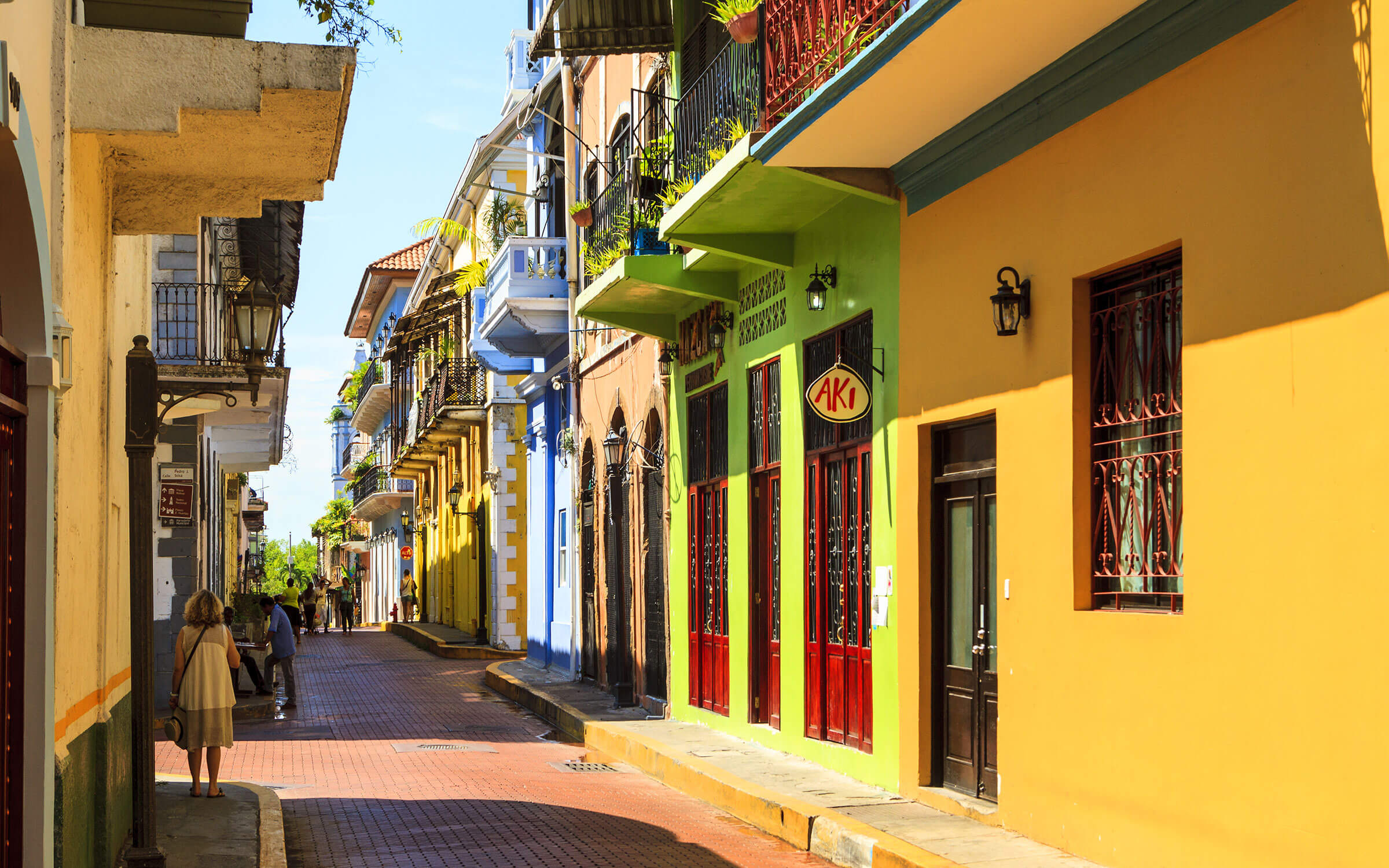
I've watched a friend live comfortably on a beach town budget that would barely cover parking in downtown Toronto. I've also watched someone move into a high-rise in Punta Pacífica and spend more than they did in Vancouver, because they kept buying the same imported groceries, driving the same style of car, and eating at the same kind of restaurants they did back home. Panama didn't make either of those budgets happen. Their choices did.
So instead of giving you one magic number, I want to walk you through what actually drives the cost of living here, category by category, so you can start building a realistic picture of what your life in Panama might cost — not someone else's.
There's No Single “Cost of Living in Panama”
The biggest mistake I see people make before moving is treating Panama like it has one price tag. It doesn't. A retiree living quietly in Boquete, cooking at home and rarely running air conditioning, can have a completely different monthly budget than a professional couple renting a modern two-bedroom in San Francisco or El Cangrejo in Panama City. Both are living in Panama. Their costs barely resemble each other.
Location is the single biggest driver of that difference, followed closely by housing choices and how closely someone tries to recreate their life back home. Keep both of those in mind as you read through the rest of this, because I'll come back to them constantly.
Housing: The Biggest Variable in Your Budget
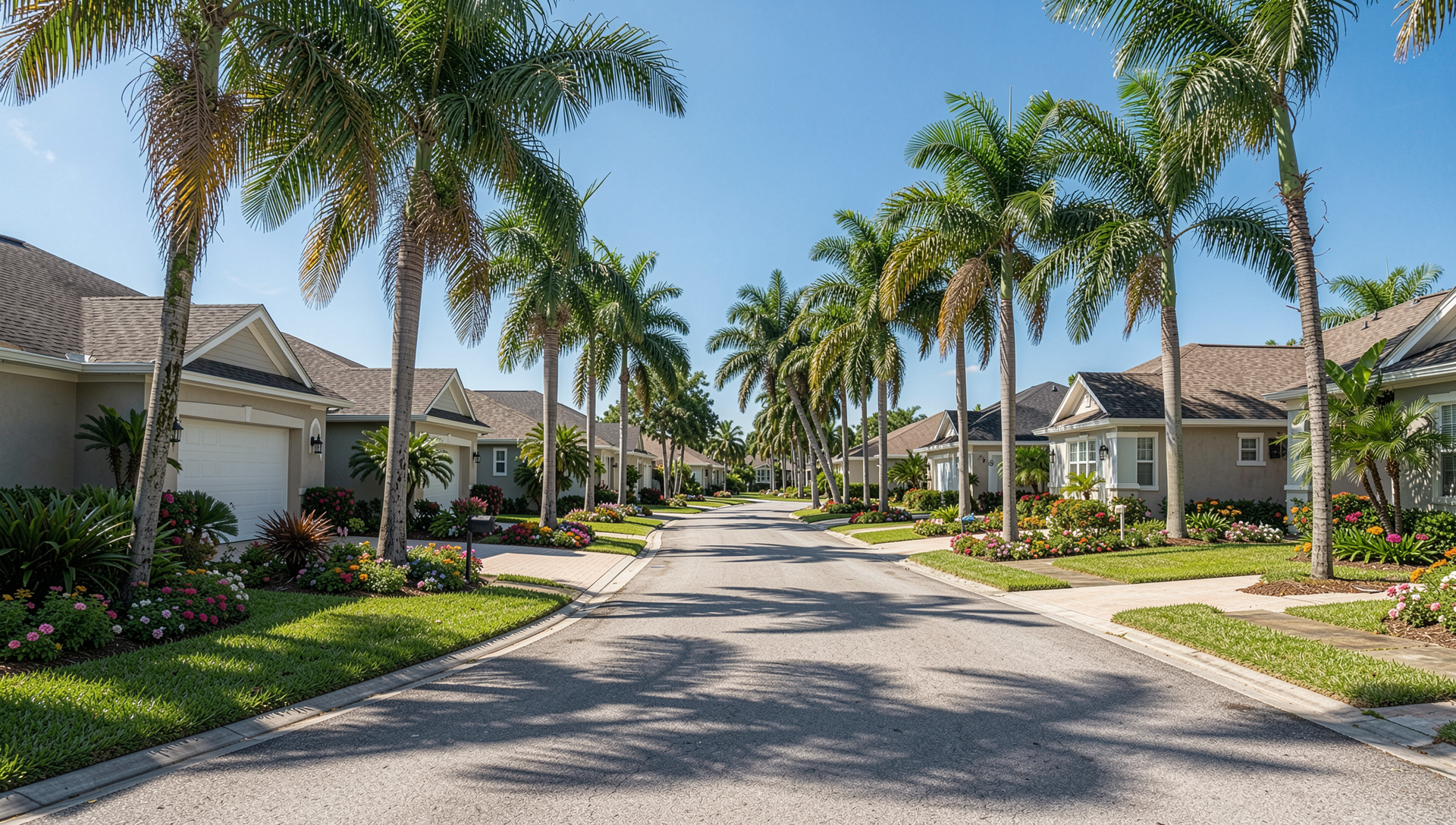
Rent will make or break your Panama budget more than any other line item, and it swings enormously based on where you live and what kind of building you choose.
In Panama City, a one-bedroom in a solid, walkable, non-luxury neighborhood like El Cangrejo, Bella Vista, or parts of San Francisco generally runs somewhere in the $900 to $1,700 range, depending on the building's age and whether it's furnished. Push into premium waterfront towers in Punta Pacífica or Costa del Este, and you're looking at $1,500 to $3,000 or more for a comparable-sized unit, sometimes higher for newer construction with full amenities. Older buildings on the edges of the city can bring that down to $600 to $1,000, though you'll usually trade some polish and amenities for the lower price.
Outside the capital, the math changes. Popular expat towns like Boquete or Coronado typically run $700 to $1,500 depending on proximity to town and whether you want a view. Smaller interior towns and less touristy areas can bring a modest one- or two-bedroom down to $400 to $800.
Utilities: Electricity, Water, and Why AC Changes Everything
This is the category that catches almost everyone off guard, myself included when I first got here. Electricity in Panama isn't necessarily expensive on paper, but air conditioning turns it into one of your biggest monthly line items if you're not careful.
If you run AC lightly — say, just in the bedroom at night — a realistic range is $60 to $150 a month depending on your unit's size and efficiency. Run it throughout the day across a whole apartment, and that number can climb to $200, $300, or more, especially in an older building with inefficient units. This is one of the areas where I tell people flatly: don't guess your electricity budget from someone else's bill. Wait for your first two bills before you assume anything.
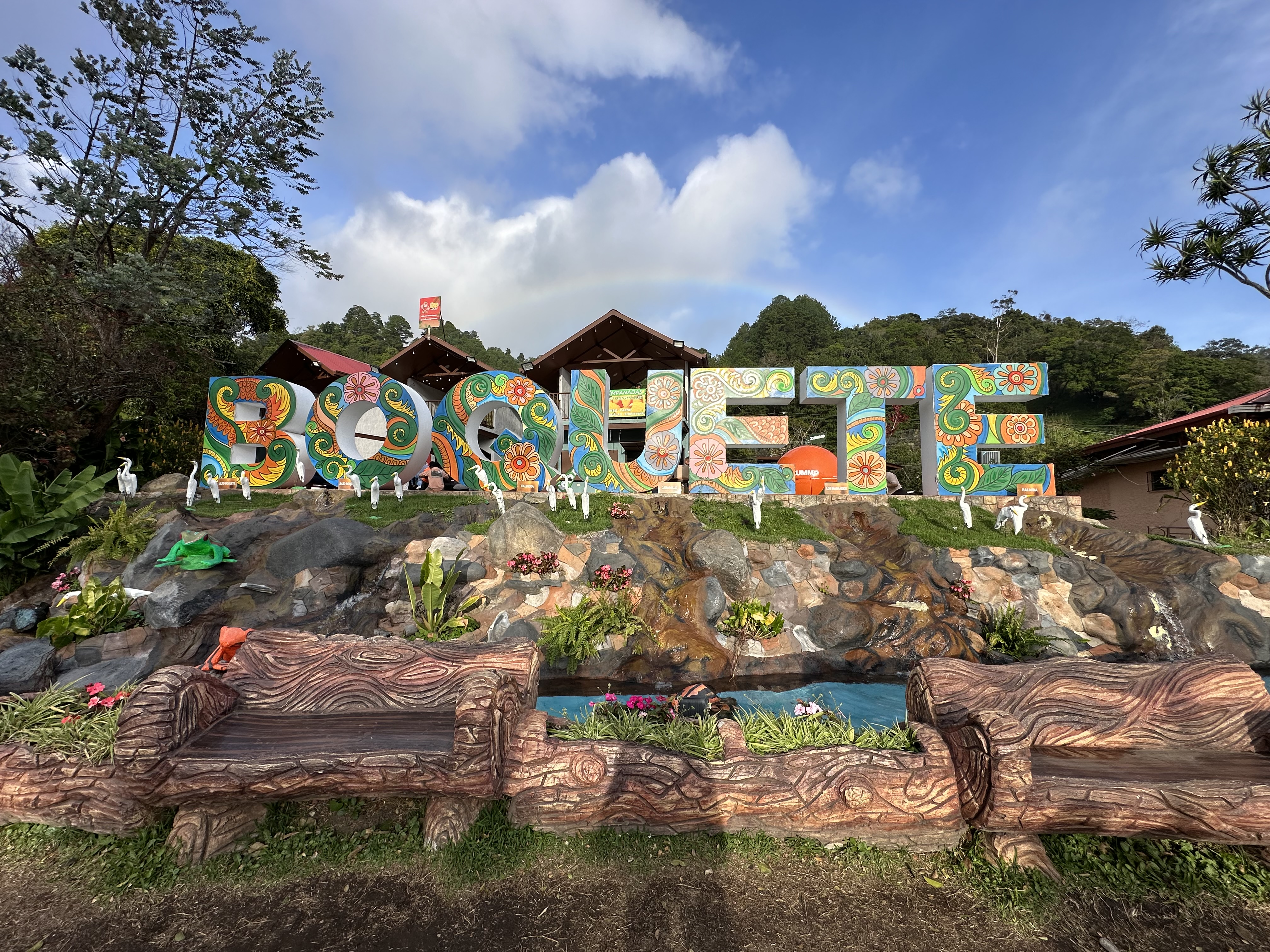
If you're in the highlands — Boquete, Volcán, and similar mountain towns — this entire conversation mostly disappears. The climate is cool enough year-round that AC often isn't needed at all, and electricity bills there can run as low as $25 to $50 a month. It's one of the clearest cost advantages of mountain living, and it's rarely the first thing people think about when they're comparing beach towns to the highlands.
Water and trash service are comparatively minor costs, typically $10 to $30 a month, and in many condo buildings they're bundled into your monthly maintenance fee rather than billed separately.
Internet and Cell Phone
These are two of the more predictable, less dramatic expenses. Reliable high-speed internet generally runs $40 to $60 a month in Panama City and most established expat areas, and coverage quality is genuinely good — this is something I didn't expect coming from Canada, honestly. Cell phone plans with a reasonable data allowance typically land between $25 and $35 a month. Rural areas and some islands still have patchier connectivity, so if remote work depends on your internet, that's worth confirming for your specific location before you commit to it.
Groceries: Local vs. Imported Food Matters — A Lot
This is the category I probably talk about more than any other, because it's where the “Panama is so cheap” narrative gets misleading fast.
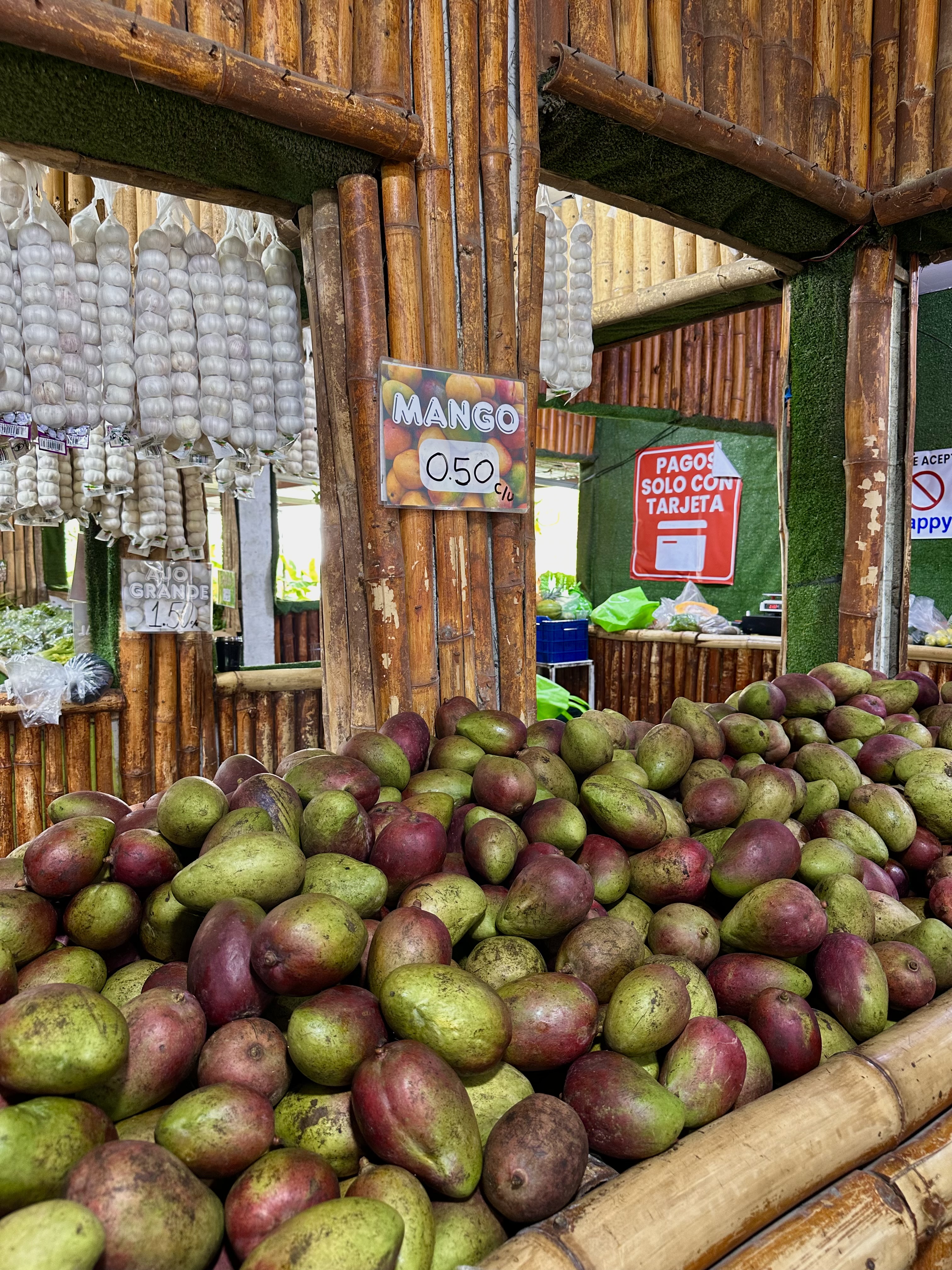
Local produce here is genuinely, wonderfully cheap. Mangoes, papaya, pineapple, plantains, and a long list of vegetables cost a fraction of what you'd pay for the same items in Canada or the US, especially if you shop at local markets instead of supermarkets. A single person shopping primarily local can often keep grocery spending in the $150 to $300 range.
Imported goods are a different story entirely. Specialty cheeses, certain wines, particular brands you're used to from home — these often cost the same as they do in North America, and sometimes more, once you factor in import costs. This is the part people don't expect: the more your shopping cart looks like the one you had back home, the less dramatic your savings actually are. I've genuinely swapped blueberries for local strawberries in my own kitchen simply because the price difference is that noticeable.
A single person mixing local and some imported items typically spends $200 to $350 a month. A couple doing the same tends to land in the $350 to $550 range. If you're shopping almost entirely at supermarkets stocked with imported brands, budget meaningfully higher than either of those.
Eating Out
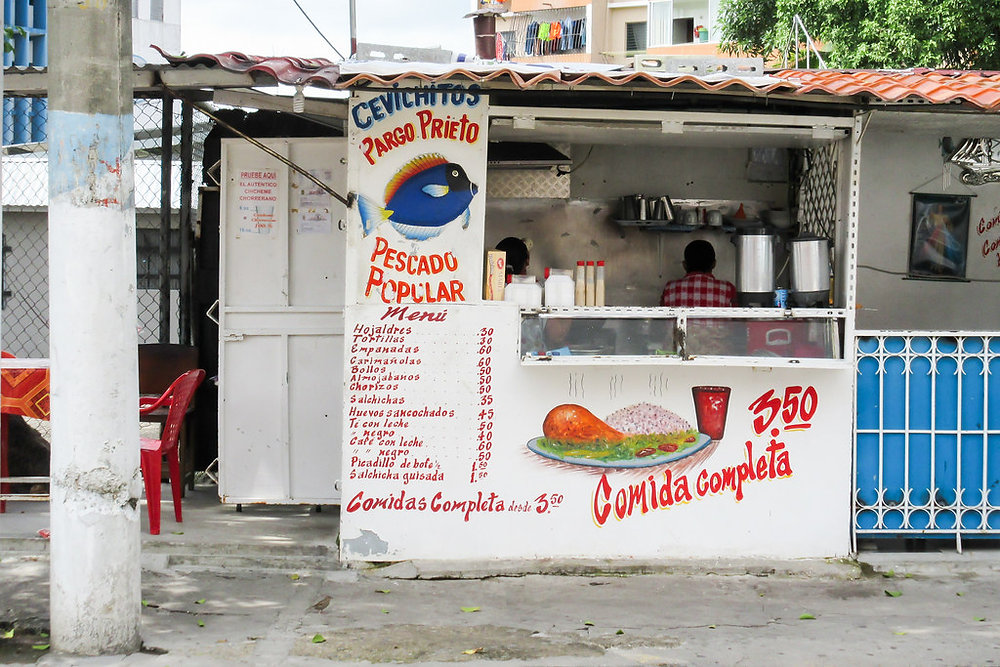
Panama's restaurant scene has real range, and your spending here depends entirely on where you eat. A local lunch spot, what Panamanians call a fonda, will run you $5 to $10 for a full plate — rice, meat, beans, salad, sometimes a drink included. Mid-range restaurants for a proper dinner for two typically run $30 to $60. High-end dining, especially in Panama City's international restaurants or hotel dining rooms, can easily hit $80 to $150 or more for two with wine.
If eating out is a big part of your social life, this category alone can shift your monthly budget by hundreds of dollars depending on whether “dinner out” means a fonda near your apartment or a table at a hotel restaurant in Punta Pacífica.
Transportation
Where you live largely decides your transportation costs. In a walkable Panama City neighborhood, you can genuinely get by without a car. The Metro is modern, air-conditioned, and costs less than a dollar per ride. A quick Uber across town often runs $3 to $5. Outside the city, taxis and local buses fill a similar role at reasonable prices, though schedules and coverage are less predictable than in the capital.
Owning a car is a different budget entirely, and for a lot of beach and interior towns, it's close to necessary rather than optional. Between fuel, insurance, and maintenance, a modestly priced vehicle typically adds $150 to $350 a month to your budget, though this varies with the car itself. If you're deciding between a walkable city apartment and a beach or interior property, factor in whether that choice quietly requires you to own a car.
Healthcare and Health Insurance
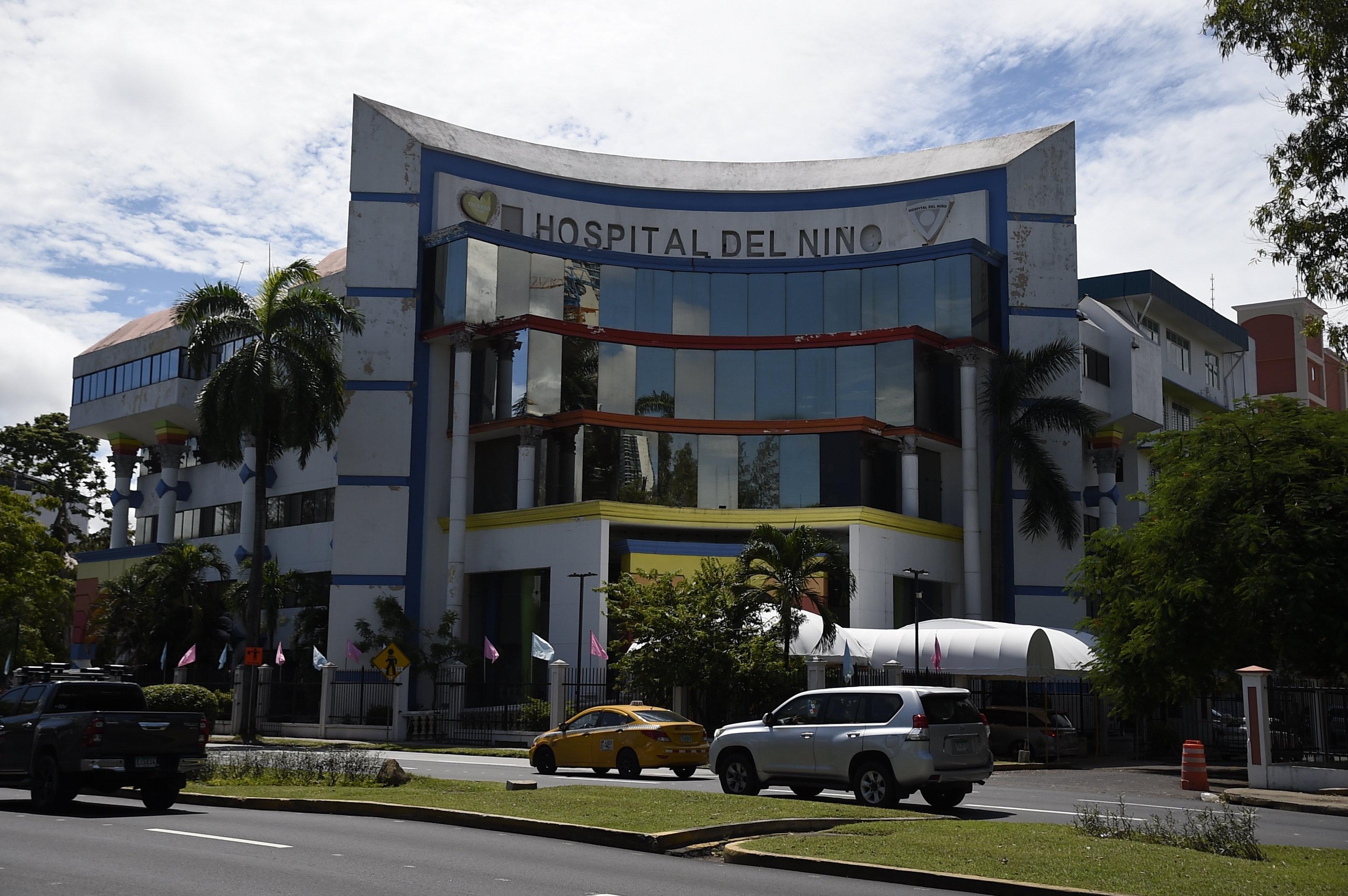
I'll say this clearly: healthcare in Panama can feel remarkably affordable, but “affordable” isn't the same as “free,” and it still needs a real line in your budget.
Paying out of pocket, a general doctor's visit often costs $15 to $30, and a specialist visit typically runs $50 to $75. Basic lab work and diagnostics are noticeably cheaper here than what most Canadians or Americans are used to paying without insurance back home.
For ongoing coverage, local Panamanian health insurance plans can start as low as $50 to $100 a month for younger, healthier applicants, though premiums rise with age and existing health conditions. International health insurance plans, which typically offer broader coverage and access outside Panama, generally start higher — often $150 to $300 a month for a single person, and considerably more for older applicants or plans that include US coverage.
Household Help and Services
This is one area where Panama can feel like a real upgrade from North American life. Part-time house cleaning, coming once or twice a week, is common and reasonably priced, often in the range of $20 to $35 per visit. Full-time domestic help, when properly hired with the legal benefits Panamanian labor law requires, typically runs $250 to $350 a month in total cost once you account for the base wage plus mandatory extras like social security and the annual bonus payment.
It's not something every foreigner budgets for, but for people used to doing everything themselves, it's often one of the more pleasant surprises about cost of living here.
Gyms, Personal Care, and Entertainment
These costs sit firmly in the “your choices matter” category. A basic gym membership runs roughly $30 to $50 a month, with nicer facilities offering pools and classes closer to $60 to $90. Personal care services — haircuts, manicures, massages — tend to be noticeably cheaper than North American pricing, with a lot of range depending on where you go. Entertainment and social spending is genuinely up to you; Panama offers everything from very cheap local outings to the same kind of upscale nightlife and events you'd find in any major city, at similar prices.
Lifestyle Is the Biggest Variable
If there's one thing I want you to take away from this article, it's this: two people living in the same city can have completely different monthly budgets, and neither one is doing Panama “wrong.”
Someone who rents a luxury high-rise apartment, buys mostly imported groceries, eats out at upscale restaurants several times a week, owns a newer car, and pays for premium gym and household services is going to spend significantly more than someone who chooses a modest apartment, shops at local markets, cooks most meals at home, relies on the Metro or Uber, and lives more like a longtime local resident.
Both are valid ways to live here. But moving to Panama doesn't automatically make your current lifestyle inexpensive — it gives you the option to build a different one if you want it.
Example Monthly Budgets
These are illustrative examples, not official averages or guarantees. Your actual numbers will depend on your specific choices, so use these as a starting framework rather than a target.
Budget-conscious lifestyle — single person, interior or smaller beach/mountain town, mostly local shopping, no car.
| Category | Estimated Range |
|---|---|
| Rent (1BR, modest) | $500–800 |
| Electricity | $40–100 |
| Water/gas/trash | $15–25 |
| Internet | $40–50 |
| Cell phone | $25–30 |
| Groceries | $200–280 |
| Eating out | $80–150 |
| Transportation | $0–60 |
| Health insurance/care | $50–150 |
| Personal care/entertainment | $50–100 |
| Estimated total | $1,000–1,650 |
Comfortable lifestyle — single or couple, Panama City mid-range neighborhood or established beach town, mix of local and imported.
| Category | Estimated Range |
|---|---|
| Rent (1–2BR) | $1,100–1,700 |
| Electricity | $100–180 |
| Water/gas/trash | $20–30 |
| Internet | $45–55 |
| Cell phone | $30–35 |
| Groceries | $300–450 |
| Eating out | $200–350 |
| Transportation | $100–250 |
| Health insurance | $150–250 |
| Gym/personal care/entertainment | $100–200 |
| Estimated total | $2,150–3,500 |
Higher-end lifestyle — Panama City luxury or premium beachfront, imported-heavy shopping, car ownership, household help.
| Category | Estimated Range |
|---|---|
| Rent (luxury 2–3BR) | $2,200–3,500+ |
| Electricity | $200–300+ |
| Water/gas/trash | $30–40 |
| Internet | $50–60 |
| Cell phone | $35–50 |
| Groceries (imported-heavy) | $500–800 |
| Eating out | $400–700 |
| Car + occasional Uber | $300–600 |
| International health insurance | $300–600 |
| Household help | $250–350 |
| Gym/country club/personal care/entertainment | $200–400 |
| Estimated total | $4,465–7,800+ |
Notice how much of the gap between these budgets comes down to rent, groceries, and transportation choices rather than anything unique about Panama itself. That pattern holds across almost every lifestyle comparison I've seen.
How Panama Compares to Canada and the United States
I'm going to resist giving you one tidy percentage here, because sweeping statements like “Panama is 40% cheaper than the US” don't really mean much — Toronto, Miami, a small town in Texas, and rural Alberta don't share a cost of living with each other, let alone with Panama as a whole.
What I can tell you category by category: housing is where most people notice the biggest gap, especially outside Panama City's premium neighborhoods. Local groceries and produce are meaningfully cheaper than what I paid in Canada. Healthcare, both out-of-pocket visits and insurance premiums, tends to run well below equivalent North American costs, particularly compared to the US. Household help is far more accessible here than it ever was for me back home.
Where the gap narrows or disappears: imported groceries, premium Panama City rent, dining at upscale restaurants, and anything built around recreating a North American lifestyle down to the brand names. If your spending in those categories mirrors what you did at home, don't expect a dramatic discount just because you're in Panama.
Common Misconceptions
“I can live extremely well in Panama for $1,500 a month.” This is possible for certain people, in certain locations, living a certain way — typically someone single, in a smaller town or the highlands, shopping locally, without a car, and not carrying international health insurance. It is not automatically realistic for most people considering a move here, especially if you're picturing Panama City or a couple's budget. Treat any number like this as one specific person's story, not a universal promise.
“Panama has gotten too expensive to be worth it.” I hear this too, usually from people comparing today's Panama City rents to what they read in a ten-year-old blog post. Rents in the capital's premium neighborhoods have genuinely risen. But that doesn't mean the savings have disappeared — it means the savings have shifted toward how and where you choose to live rather than being automatic everywhere you look. There's real value here. It just requires more intention to find than it used to.
Building Your Own Realistic Budget
If you've read our guide to moving to Panama, you already know cost of living is one of the bigger unknowns people wrestle with before relocating. Hopefully this gives you a much clearer starting point than a single “average” number ever could.
My honest advice: pick the lifestyle category above that feels closest to how you actually want to live, then adjust it based on where you're leaning toward settling. Rent listings, local Facebook groups for your target town, and a visit before you commit will sharpen these numbers into something real for your situation.
If you want to talk through what your specific budget might look like — your location preferences, your must-haves, your honest spending habits — reach out to me directly. I've built my own budget here from scratch, and I'm happy to help you think through yours before you make any big decisions.