Most people who end up moving to Panama started out on a vacation. They came for a week, liked the weather, liked the people, maybe looked at a few properties out of curiosity, and went home thinking about it for months afterward.
That's normal. It's also where a lot of relocation planning goes wrong, because visiting a place for ten days and living there full time are genuinely different experiences.
This article isn't about convincing you to move. It's about walking through what actually goes into it — the decisions, the paperwork, the costs, the logistics — so you can figure out whether Panama fits your life, and if it does, what to start doing about it.
Is Panama the Right Fit for You?
Panama tends to work well for people who value a warm climate year-round, a lower cost of living than they'd find in a major North American or European city, and proximity to the US in terms of flight times and time zones. It also appeals to people who want an active outdoor lifestyle — beaches, mountains, and everything in between are all within a few hours of each other.
It tends to work less well for people who need everything to function exactly like it does at home. Bureaucracy moves at its own pace here. Infrastructure varies a lot depending on where you settle. And if you're not willing to adjust your expectations around timelines, paperwork, or the occasional inconvenience, the adjustment period can be frustrating rather than exciting.
Residency and Visa Options at a Glance
Panama offers several residency pathways, and which one applies to you depends on your nationality, income situation, and long-term goals. Some paths are based on a pension or fixed income, some on investment in real estate or a business, and Panama's Friendly Nations Visa offers a more accessible route for citizens of a long list of countries with diplomatic or economic ties to Panama.
We're intentionally not going deep into eligibility requirements or the specific application process here, because those details depend heavily on your individual circumstances and change periodically. What matters at this stage is understanding that residency is achievable through more than one route, and that the right path for you depends on your income, savings, and where you're coming from.
Residency vs. the Right to Work
This is a distinction people frequently miss. Having legal residency in Panama doesn't automatically give you the right to work for a Panamanian company or take a local job. Most residency categories are structured around living in Panama, not employment, and working legally typically requires a separate work permit tied to specific conditions.
If your plan involves earning local income rather than living off remote income, savings, or a pension, that's a distinction worth clarifying with an immigration attorney early, since it affects which visa category actually fits your situation.
Choosing Where to Live in Panama
People often start their search by asking which area is "the best," but that question doesn't have a single answer — it depends entirely on what you want your daily life to look like.
- Panama City suits people who want walkable urban living, restaurants, healthcare access, and a genuine international community — but it also means traffic, noise, and a faster pace than the rest of the country.
- Beach towns along the Pacific coast offer a slower rhythm and easy ocean access, but often mean more driving for errands and a smaller day-to-day social circle.
- Mountain towns like Boquete draw people who want cooler temperatures and a quieter, more rural feel, at the cost of being further from major hospitals and airports.
Renting vs. Buying When You First Arrive
Renting first is almost always the right move, even for people who are confident they know where they want to end up. It lets you test a neighborhood, a climate, and a commute pattern before making a long-term financial commitment, and it gives you time to understand the local property market instead of buying under time pressure during a short scouting trip.
Buying too early, before you've actually lived somewhere, is one of the more common regrets we hear about from foreign buyers. A property that looked perfect during a two-week visit can feel very different once you're dealing with it as a daily reality — the noise from a nearby road, the distance to a grocery store, or a rainy-season drainage issue that never came up in dry season.
What Does It Actually Cost to Live in Panama?
Cost of living in Panama varies more than people expect, and the honest answer to "how much does it cost to live here" is: it depends almost entirely on where you live and how you choose to live once you're there.
Panama City living costs more than life in a small interior town. Imported goods and international brands cost more than local products. A lifestyle built around dining out, imported groceries, and a car will cost meaningfully more than one built around local markets, public transit, and cooking at home.
Rather than anchoring to a specific number you've seen online, it's more useful to think through your own priorities: Do you need to be near a major hospital? Do you want a car, or are you comfortable relying on taxis and buses? Are you planning to eat mostly local food or maintain habits from home? Those choices, more than the country itself, determine your actual monthly budget.
Healthcare and Health Insurance
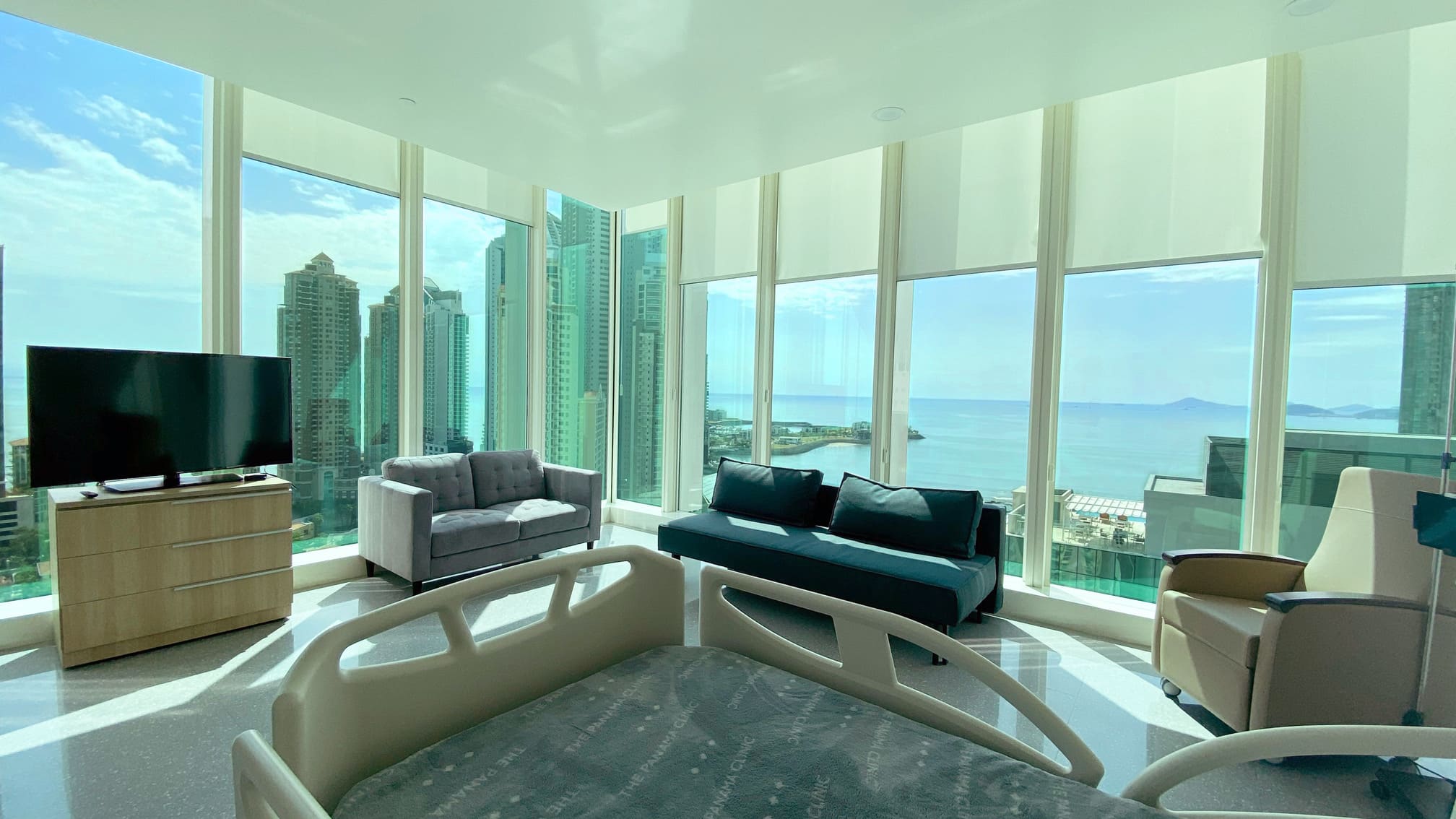
Panama has a mix of public and private healthcare, and most foreigners who relocate here end up using the private system, particularly in Panama City, where hospital quality is generally considered strong by regional standards. Outside the capital, access to specialized care becomes more limited, which is a real factor in deciding where to live, especially for retirees or anyone managing an ongoing health condition.
Health insurance options range from local Panamanian plans to international policies that cover care both in Panama and abroad. Costs and coverage depend on your age, health history, and the specific plan, so this is an area where getting a quote based on your actual situation matters more than any general estimate.
Opening a Panamanian Bank Account
Opening a local bank account is one of the more commonly underestimated pieces of a Panama move. Panamanian banks have become more thorough with their due diligence and documentation requirements over the past several years, partly due to international banking regulations, and the process can take longer than people expect — sometimes several weeks, depending on the bank and your specific documentation.
Requirements generally include proof of income, reference letters, and various forms of identification and background documentation, though specifics vary by bank and can change. Starting this process early, and not assuming you can walk in and open an account in a single visit, will save you a lot of frustration.
Some people are able to begin parts of this process before arriving; others find it easier to handle once they're physically in Panama and can meet with a banker directly. Either way, it's not something to leave until the last minute.
Bringing Money Into Panama and Financial Documentation
Beyond opening an account, you'll want to think through how you'll actually move money into Panama on an ongoing basis, whether that's a pension, remote income, investment distributions, or savings. Wire transfers between international and Panamanian banks are routine, but documentation showing the source of funds is often required, both when opening an account and when making larger transfers.
Start gathering financial documentation — proof of income, bank statements, retirement account statements, or business records, depending on your situation — well before you plan to move. These documents are often needed for both residency applications and banking, and gathering them from abroad after you've already relocated is more difficult than pulling them together while you still have easy access to your home financial institutions.
Moving Your Belongings: What's Actually Worth Shipping
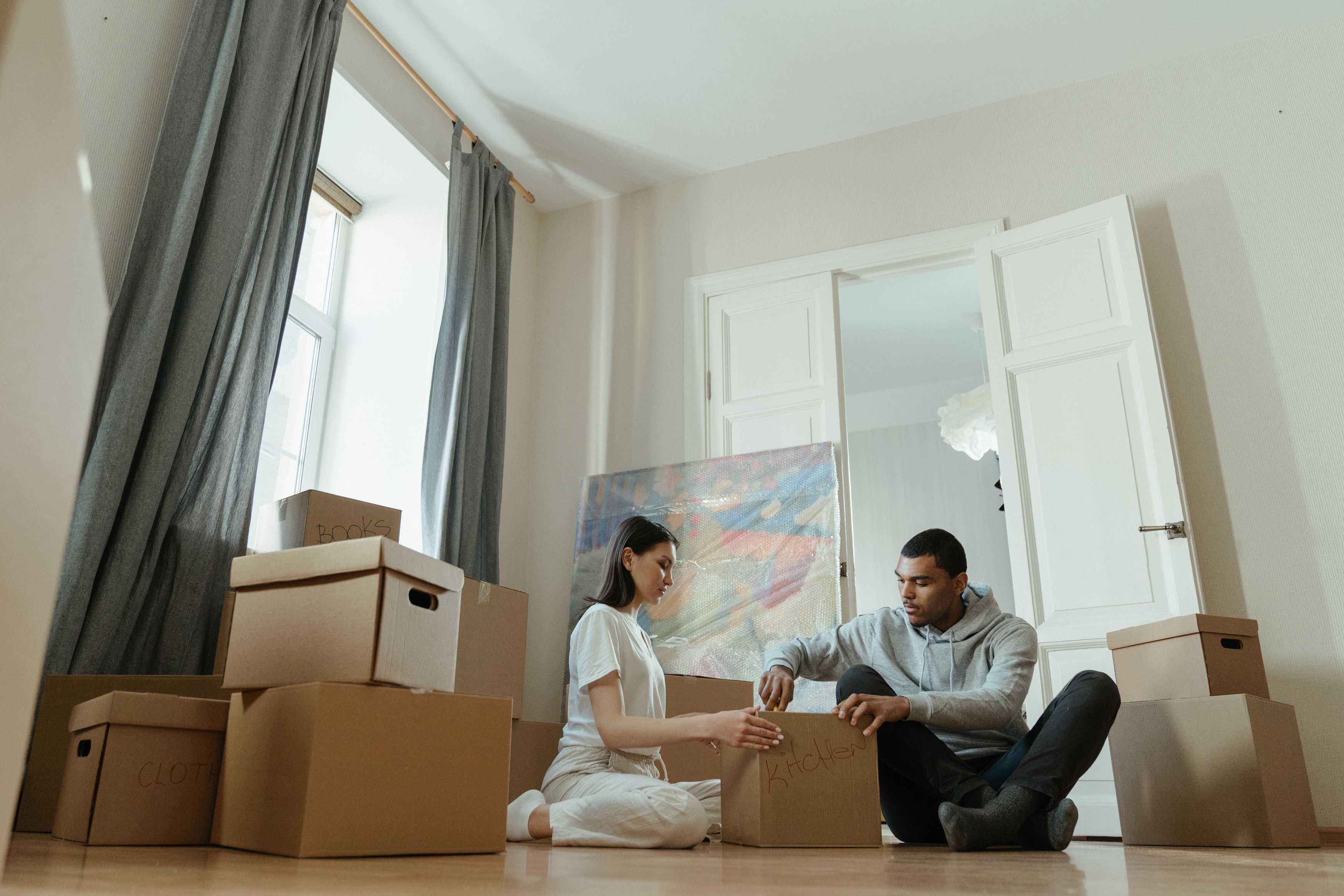
Shipping a full household of belongings to Panama is expensive, and for a lot of people, it isn't worth it. Furniture, appliances, and large items often cost more to ship and import than they're worth once you account for freight and import duties, and much of it can be purchased locally or replaced with better climate-appropriate alternatives — heavy furniture doesn't always hold up well in Panama's humidity.
- Generally worth bringing: items with sentimental value, specialized equipment you can't easily replace, and anything genuinely difficult to source locally.
- Generally not worth bringing: furniture, most appliances, and anything replaceable that would cost more to ship than to rebuy.
This is a decision worth making deliberately rather than defaulting to "bring everything," which is the more expensive and more stressful path.
Bringing Pets to Panama
Relocating with pets is common and generally manageable, but it involves its own documentation timeline — health certificates, vaccination records, and sometimes specific testing, depending on the pet and country of origin. Some of these requirements have windows that need to be started well in advance of travel, so this isn't something to figure out the week before your flight.
Airlines also have their own pet policies and space limitations that vary by carrier and route, which can affect your actual travel dates more than you'd expect. If pets are part of your move, this is one of the areas worth researching and starting early, since the paperwork timeline often runs longer than people initially assume.
Driving and Getting a Panamanian Driver's License
Many foreign visitors can drive in Panama temporarily using their home country's license along with a passport, but this is generally tied to your immigration status and time in the country, not indefinite. Once you're a resident, getting a Panamanian driver's license typically becomes necessary, and the process usually involves some combination of paperwork, a vision test, and potentially a driving test, depending on your situation and license exchange agreements with your home country.
Traffic and driving conditions in Panama, particularly in Panama City, are also worth being honest about. Traffic can be heavy, road markings and signage aren't always consistent with what you're used to, and driving styles differ from what many foreigners are accustomed to. Some people adjust quickly; others end up preferring taxis or rideshare apps, at least in the city, rather than driving themselves day to day.
Setting Up Phones, Internet, and Utilities
Getting a local phone plan, internet service, and utilities connected is usually one of the more straightforward parts of settling in, though it typically requires being physically present with proper identification. Internet quality and reliability vary by location — Panama City and established expat areas generally have solid options, while more rural or remote areas can have more limited choices.
How Much Spanish Do You Actually Need?
You can get by in Panama City and many tourist-oriented areas with limited Spanish, since English is fairly common in business, healthcare, and hospitality settings there. Outside those areas, English becomes far less reliable, and daily errands, medical appointments, and dealing with government offices go a lot more smoothly with at least functional Spanish.
You don't need fluency before you move, but showing up with zero Spanish and no plan to learn tends to create ongoing friction, especially outside the capital. Even basic conversational ability makes daily life meaningfully easier and tends to make interactions with neighbors, service providers, and officials noticeably smoother.
Schools and Moving with Children
Families relocating with school-age children generally choose between private international schools, which often follow American, British, or International Baccalaureate curricula, and, less commonly, local Panamanian schools, which require stronger Spanish fluency and follow a different academic structure. International schools are concentrated mainly in and around Panama City, which is a real factor in deciding where to live if you're relocating with kids.
Tuition, curriculum, and enrollment timelines vary significantly by school, so this is an area where researching specific schools well before your move matters more than general guidance. Enrollment periods and application deadlines can also run on a different calendar than what you're used to, so timing your move around the school year is worth planning early rather than figuring out after arrival.
Taxes: What to Understand Before You Move
Moving to Panama doesn't automatically end your tax obligations in your home country, and this is an area where people make assumptions that cost them later. Depending on your citizenship and home country's tax rules, you may still owe taxes there even while living full time in Panama, and Panama has its own tax rules for residents and income sourced within the country.
This is genuinely individual — it depends on your citizenship, income sources, residency status, and home country's specific tax laws — and it's not something to guess at or piece together from forum posts. Talking to a tax professional who understands both your home country's obligations and Panama's tax rules before you move, not after, is one of the more important steps people tend to skip.
Cultural and Lifestyle Adjustments Foreigners Often Underestimate
Beyond the practical logistics, there's an adjustment period that catches a lot of people off guard. Processes that would take an afternoon at home — renewing a document, resolving a billing issue, scheduling a repair — can take longer in Panama, and getting frustrated by that doesn't speed anything up. Businesses and government offices don't always run on a fixed schedule, and flexibility matters more here than it does in more rigidly structured systems.
Social rhythms are different too. Punctuality is more relaxed in casual settings, family and personal relationships often take priority over strict schedules, and the overall pace of life, especially outside Panama City, is genuinely slower. For some people that's exactly the appeal. For others, especially those used to a fast-paced professional environment, it takes real adjustment.
Common Mistakes When Planning a Move to Panama
- Treating vacation impressions as a reliable guide to daily life.
- Underestimating how long banking, residency, and documentation processes take — and starting them too late.
- Buying property before renting and actually testing an area first.
- Not confirming healthcare access and insurance coverage before committing to a specific town, only to discover later that quality specialist care means a longer drive than expected.
None of these mistakes are unusual, and none of them are fatal to a successful move. But they're avoidable with a bit of planning, which is really the point of thinking through all of this before you go rather than after.
What to Prepare Before You Arrive vs. What Can Wait
Before leaving your home country, focus on gathering financial and identity documentation, researching your realistic residency pathway, starting the pet relocation timeline if applicable, and talking to a tax professional about your specific situation. These all take longer than expected and are easier to handle while you still have full access to your home country's institutions.
Once you're in Panama, you can reasonably handle opening bank accounts in person, setting up phone and internet service, enrolling children in school, getting a local driver's license, and — importantly — actually spending time in different areas before deciding where to settle long term. Trying to lock in a specific neighborhood or property before you've spent real time there is one of the more avoidable planning mistakes.
Planning Your Move to Panama
Moving to Panama involves more moving pieces than most people expect going in, but none of them are unmanageable with the right planning and the right professional support at each stage — immigration, banking, tax, and real estate each have their own specialists for a reason.
If you're seriously considering the move and want help turning this research into an actual plan, reach out to The Panama Girl. We work with foreigners relocating to Panama regularly and can help you think through the decisions that matter most for your specific situation.