This one's a different conversation than the $2,000 or $3,000 articles. At those budgets, the question is really “can I make this work?” At $5,000, the question changes to “how good do I actually want this to be?”
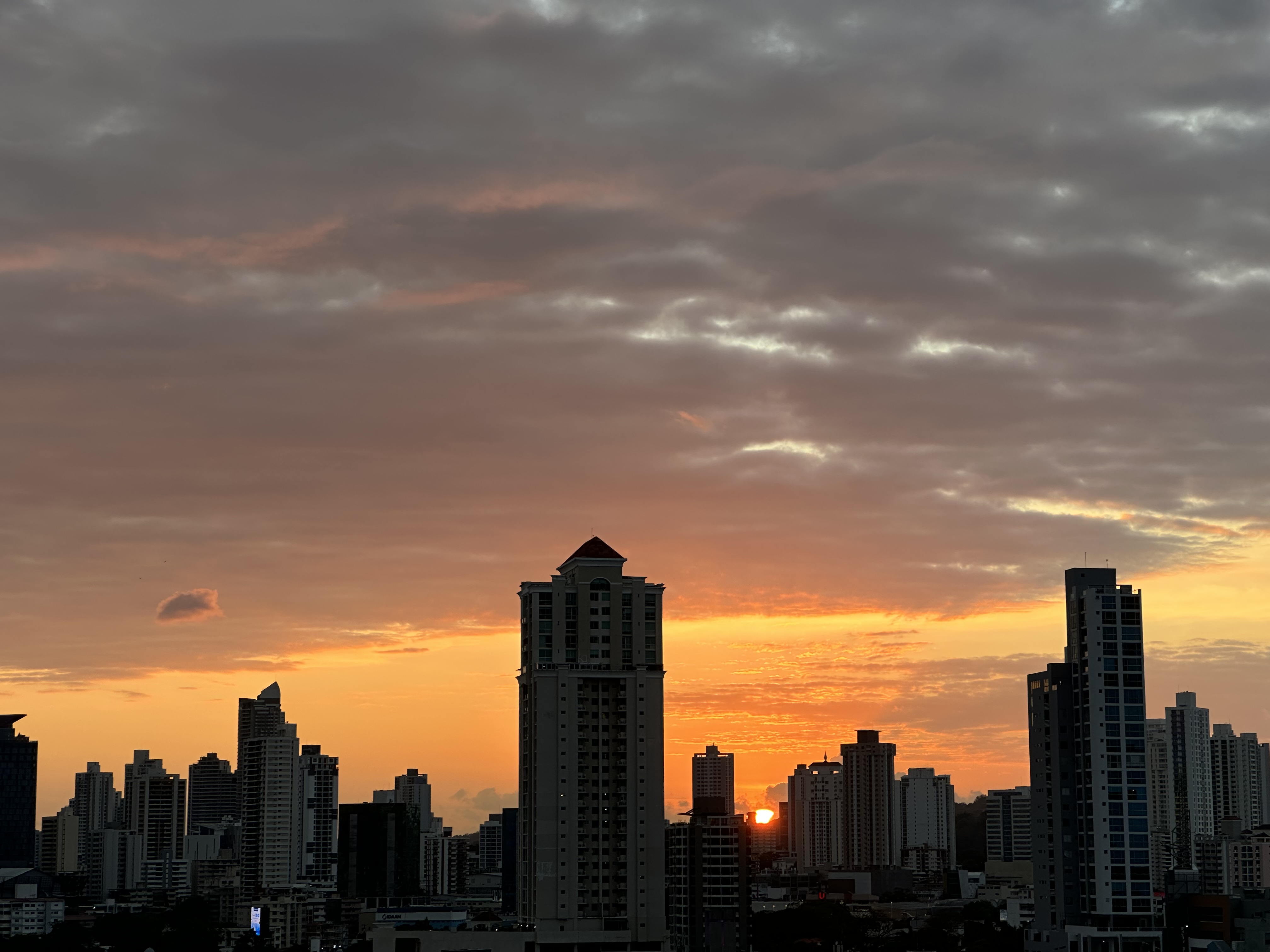
That's not me saying $5,000 buys you an unlimited luxury lifestyle here, because it doesn't. Panama has genuinely expensive apartments, genuinely expensive restaurants, and plenty of ways to spend far more than $5,000 a month if that's what you're after. What this budget does is remove most of the compromises that show up at lower numbers, and hand you real choices instead.
If you haven't read the earlier pieces in this series, they're worth a look, along with our full breakdown of the cost of living in Panama, since this article builds on both rather than repeating them.
Defining the Scenario
I'm using a single adult as the primary example here, the same as the earlier articles, and I'll walk through what changes for a couple further down. I'm not going to present $5,000 as a workable family budget, and I want to be upfront about why: private or international school tuition alone can run well past $1,000 a month per child in Panama City, and family healthcare, larger housing, and higher grocery volume change this calculation in ways that make a single adult's number irrelevant to a household with kids.
A Realistic $5,000 Monthly Budget
Here's what $5,000 can look like for one person living well in Panama City, without chasing the most expensive version of everything.
| Category | Monthly Estimate |
|---|---|
| Rent (modern 1–2BR, desirable neighborhood or building) | $2,000 |
| Electricity | $180 |
| Water, gas, trash | $30 |
| Internet | $55 |
| Cell phone | $35 |
| Groceries (local and imported, no real restriction) | $450 |
| Transportation (car plus occasional Uber) | $400 |
| Health insurance (solid international plan) | $350 |
| Dining out | $500 |
| Household help (weekly cleaner) | $200 |
| Gym or fitness | $90 |
| Entertainment and personal care | $250 |
| Travel and savings buffer | $460 |
| Total | $5,000 |
This is a genuinely comfortable life: a modern apartment somewhere you'd actually choose to live, a car, real health coverage, dinner out most weeks without checking your bank balance first, a cleaner, and still money left over for a trip or your savings account. It is not a life in the most expensive tower in Costa del Este, with a private club membership and a driver. That's a different budget, and I'll get to why below.
What Actually Changes at $5,000?
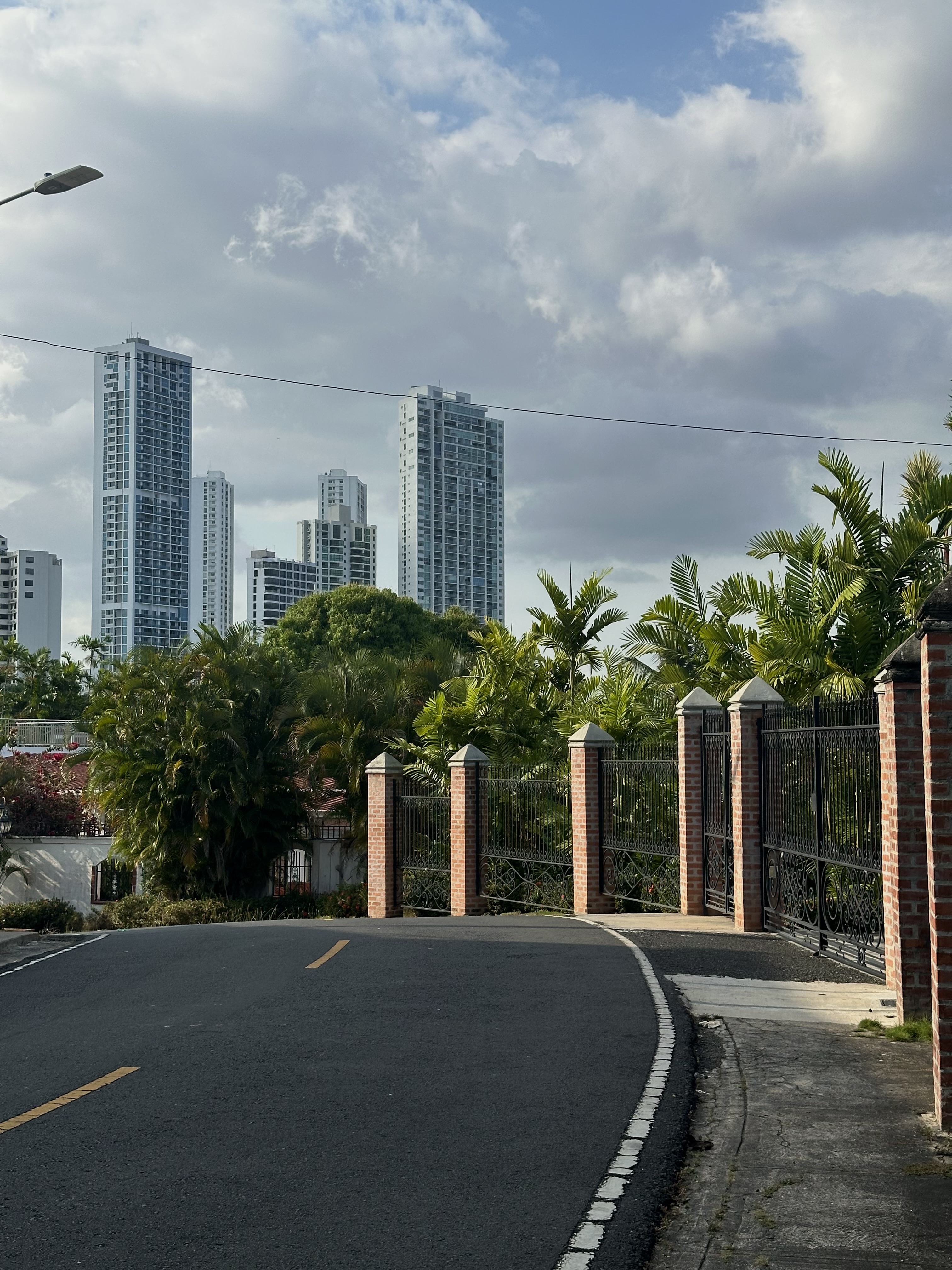
Compared to $3,000, the difference isn't just “more of the same categories.” It's the removal of a lot of the either/or decisions that show up at lower budgets. At $3,000, choosing a car usually meant trimming somewhere else. At $5,000, a car and a good apartment and regular dining out can coexist without much tension. At $2,000 and even $3,000, private international health insurance often competed directly with other categories. Here, it fits comfortably alongside everything else.
The most meaningful shift, though, is the last line in that table. At $2,000 there was barely a buffer. At $3,000 there was a modest one, more in certain locations than others. At $5,000, most people building a reasonable version of this lifestyle will have genuine room for savings or travel, not just what's left over after everything else.
Panama City: Comfortable vs. Genuinely Luxury
This distinction matters more at $5,000 than at any lower budget, because the gap between “very comfortable” and “genuinely luxury” in Panama City is wide, and it's almost entirely driven by housing.
The comfortable version is the table above: a nice, modern apartment in a good building, in a neighborhood like San Francisco, Obarrio, or a solid unit in Costa del Este, with everything else funded generously but not maximally.
The genuinely luxury version looks different, and it's worth seeing what that actually costs so the gap is clear:
| Category | Monthly Estimate |
|---|---|
| Rent (premium tower, Punta Pacífica or top-tier Costa del Este) | $3,500 |
| Electricity | $250 |
| Water, gas, trash | $35 |
| Internet | $60 |
| Cell phone | $40 |
| Groceries (largely imported, no restriction) | $600 |
| Car (newer vehicle, insurance, upkeep) | $700 |
| International health insurance (top-tier plan) | $500 |
| Dining out (frequent, upscale) | $800 |
| Household help | $400 |
| Gym or country club | $300 |
| Entertainment and personal care | $350 |
| Total | $7,535 |
That's over $2,500 past the $5,000 mark, without doing anything unreasonable — just choosing the nicer version of each category rather than the comfortable one. This is the honest answer to whether $5,000 buys luxury in Panama City: it buys a very good life. It doesn't buy the top tier of everything at once.
Outside Panama City: Where $5,000 Goes Further
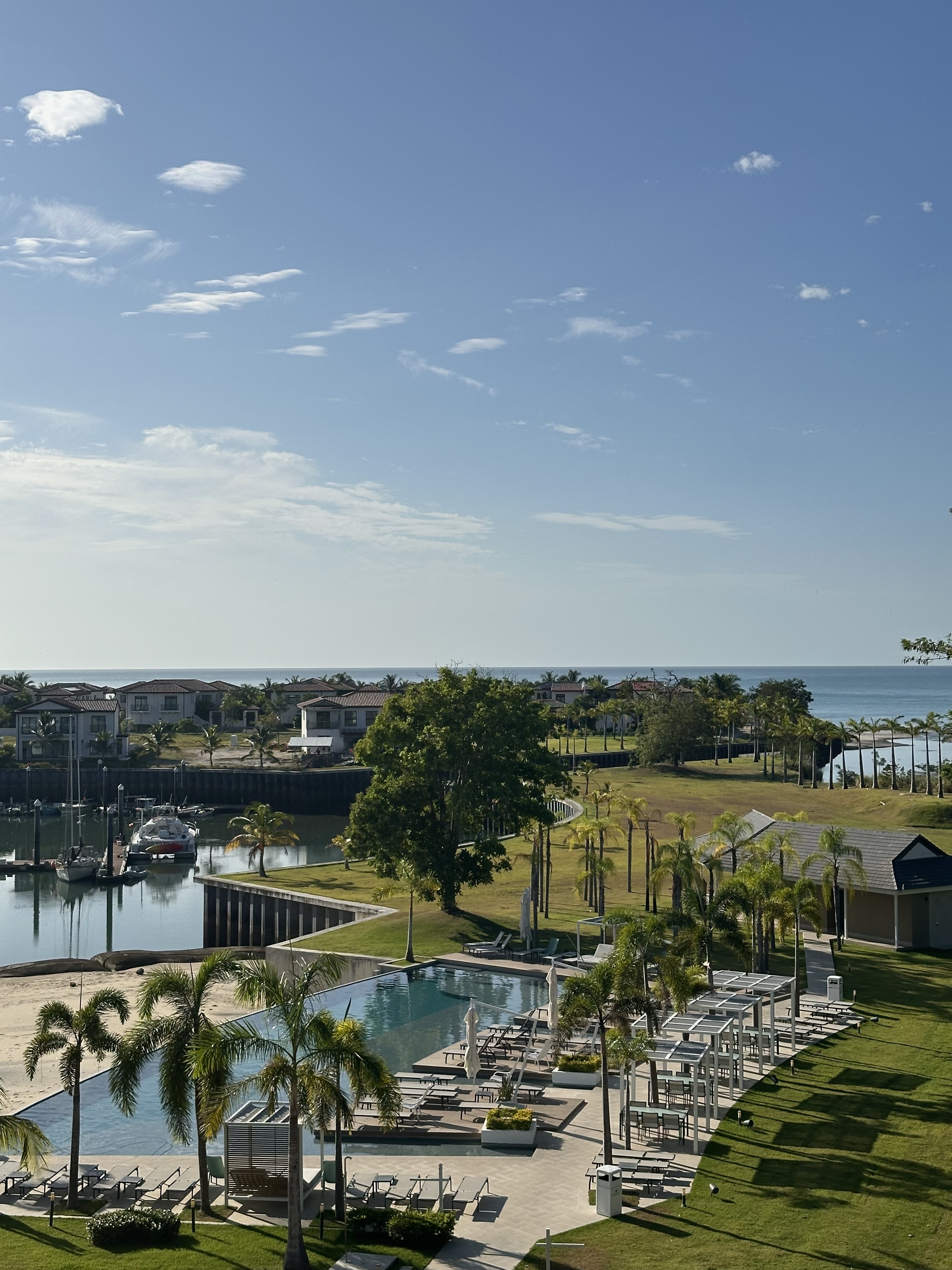
Beach communities. At the beach, $5,000 tends to buy noticeably more house or a better location than the same budget does in the city, though electricity and a car remain real costs. A version of this budget at the beach might put $1,500 toward a genuinely nice property, $250 toward electricity given constant AC use, $400 toward a car, and still leave meaningful room for dining, household help, and a real travel or savings buffer, often more than the Panama City version leaves.
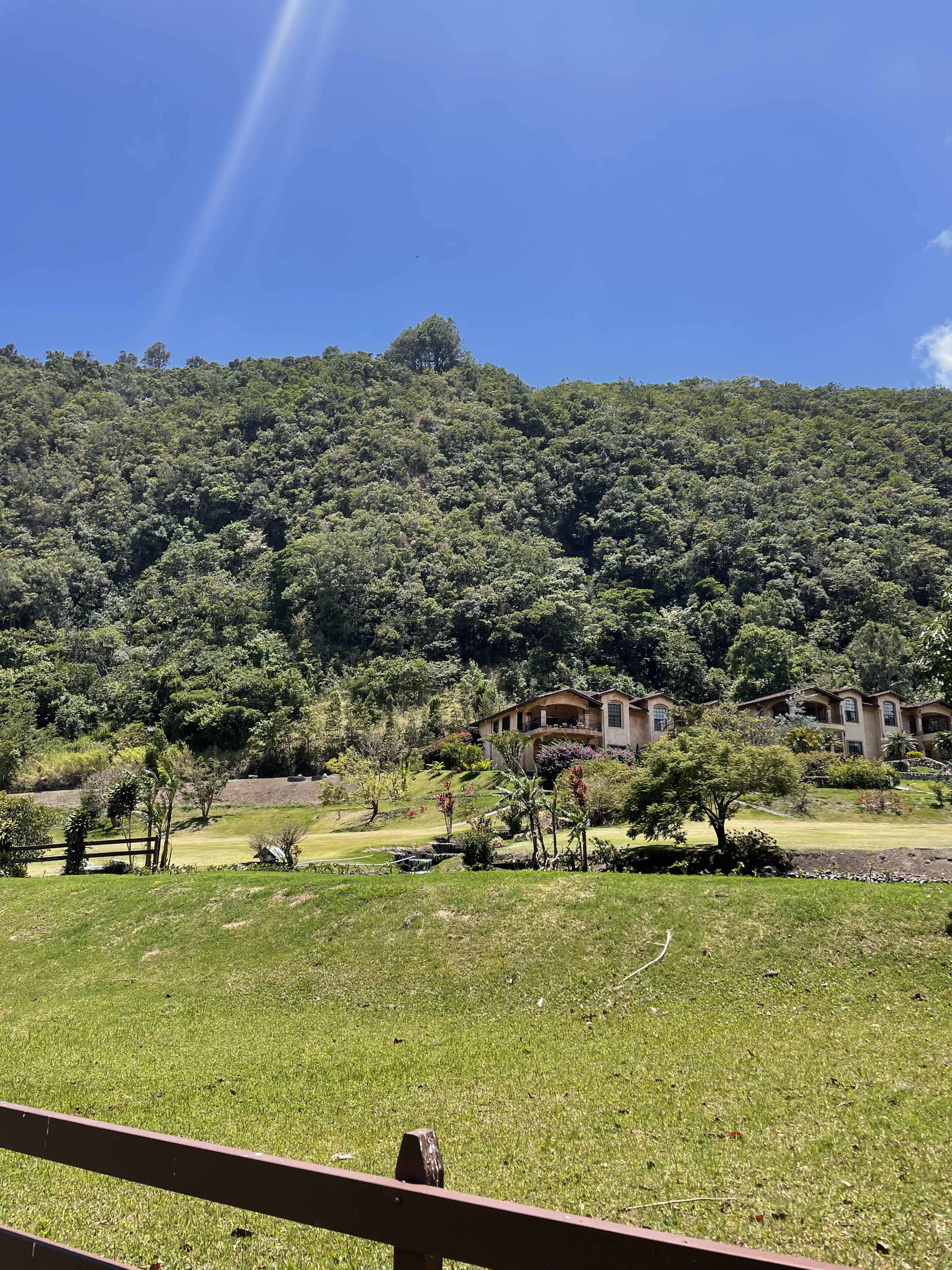
Mountain communities and smaller towns. This is where $5,000 stretches the furthest of anywhere in the country. Lower rent, minimal AC needs, and generally lower costs across groceries and services mean that even after budgeting for a car, which is typically necessary, this budget can support a genuinely large or high-quality home, regular household help, strong health coverage, and a substantial amount left over for travel or savings. It's a quieter lifestyle with a smaller international community and fewer restaurants, which is exactly the trade-off — more house and more savings, less city energy.
What Does “Comfortable” Actually Mean at This Level?
Rather than leaning on labels, here's what's realistically achievable together at $5,000, without exceeding it: a modern apartment in a desirable neighborhood, a car, solid private or international health insurance, a weekly cleaner, dining out multiple times a week, groceries without much restriction on imported items, a good gym, an active social and entertainment life, and a real travel or savings allowance.
What typically doesn't fit alongside all of that: the most expensive apartment tier in the city, a premium or luxury vehicle, dining exclusively at high-end restaurants, first-class or frequent international travel, and a top-tier “everything included” international insurance plan, all at the same time. Someone can have most of the first list comfortably. Reaching for the full second list usually means the budget stops being $5,000.
Where $5,000 Can Still Disappear Quickly
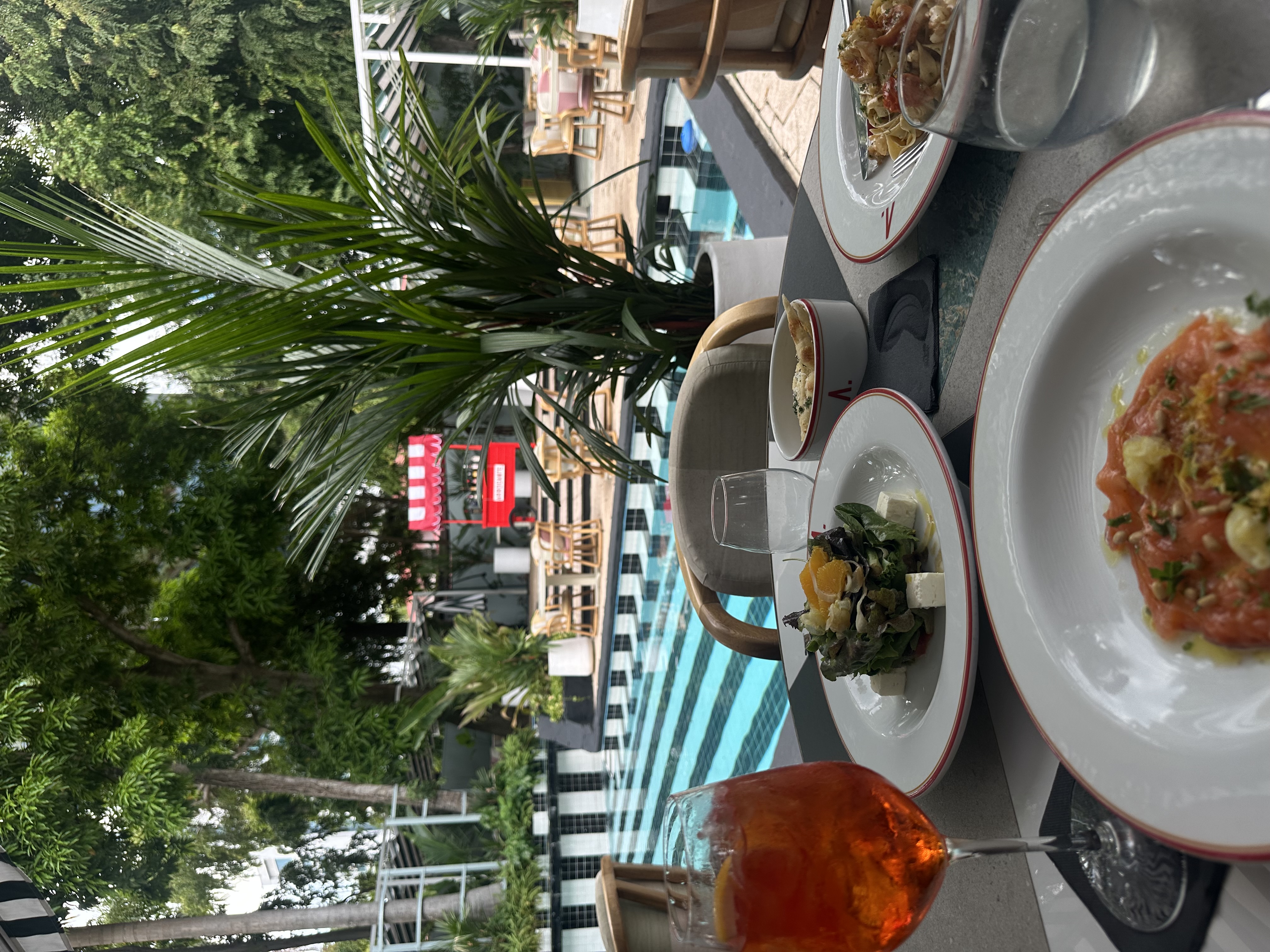
I think this section matters more than any other in this article, because it's the part that keeps this from turning into another “live like royalty” piece. $5,000 can vanish fast if you're not paying attention, and the usual culprits are predictable: luxury housing in the city's premium towers, a newer or high-end vehicle, dining at upscale restaurants as a habit rather than an occasional treat, frequent international travel, high-end shopping and imported goods without any restraint, a top-tier international health insurance plan, private schooling if kids are involved, and expensive hobbies like boating, golf memberships, or frequent domestic flights.
None of these are unreasonable choices individually. The honest point is that Panama offers real value, but it doesn't put a ceiling on what you can spend here. Someone trying to maintain a fully North American luxury lifestyle, just relocated to a different country, can absolutely spend $8,000, $10,000, or more a month here. $5,000 is a genuinely comfortable, flexible budget. It is not a number that makes overspending impossible.
Couple vs. Single Person
This is where $5,000 shows its biggest range. For a single person, as shown above, $5,000 buys a comfortable, well-rounded lifestyle with real room for savings or travel. For a couple sharing housing and utilities, that same $5,000 as a household budget can be very comfortable too, since rent, internet, and several other fixed costs don't double just because a second person moved in.
What does scale up per person: groceries, health insurance, dining out, entertainment, and personal spending. A couple working with $5,000 total will generally find themselves with less individual discretionary room than a single person on the same number, but likely still enough for a genuinely good shared lifestyle — a nice apartment, regular meals out together, solid healthcare for both of you, and some travel, just with a bit less headroom in each category than a single person managing the same total budget alone.
To put a rough shape on it: a couple sharing a $2,000 apartment instead of paying for two separate $1,300 apartments already frees up meaningful room, but two people each carrying $350 in health insurance, eating out together, and covering two sets of personal expenses adds back a good chunk of what housing saved. In practice, a couple on $5,000 total often ends up living closer to the “comfortable” version of this lifestyle than the more generous single-person version above, with a genuine but more modest travel and savings buffer than a single person managing $5,000 alone would have.
Which Version of $5,000 Fits You?
The honest answer to “what does $5,000 get you in Panama” isn't one lifestyle. It's a genuinely comfortable, flexible life almost anywhere in the country, with the specific shape of that life depending on what you prioritize: a premium address, a bigger house outside the city, more travel, more savings, more restaurants. The budget removes most of the forced trade-offs that show up at $2,000 or $3,000. It doesn't remove the need to decide what actually matters to you.
Planning What Your $5,000 Should Look Like
If you're at a point where budget isn't really the constraint and the real question is where in Panama actually fits the life you want, that's exactly the kind of decision worth making deliberately rather than guessing from a listing site. I work with people in exactly this position to figure out which city, beach, or mountain lifestyle genuinely matches what they're picturing, often through a relocation planning conversation or a scouting visit built around your specific priorities. Reach out and let's figure out what your version of this looks like.